
Like the weather itself, the national conversation around climate change has its own seasons—some temperate, some stormy. For healthcare professionals, however, the focus remains on treating patients affected by health conditions associated with a changing climate. But a patient doesn’t necessarily walk into a clinic saying “climate change” is making them sick. They arrive with symptoms: difficulty breathing during wildfire smoke, heat-related illness or something less visible: mental distress.
Climate change is contributing to long-term health issues, including: anxiety and post-traumatic stress, food insecurity and respiratory illnesses, the Centers for Disease Control and Prevention says.
Climate Knowledge Becomes Community Action
Since 2020, more than 2,000 people have participated in the Climate Change and Human Health ECHO Program, to learn about the science of climate change, the human health consequences of global warming and how to take action—as an individual and as a community.

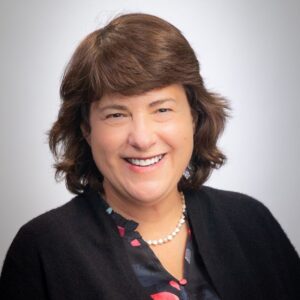
Dr. Joanna Katzman, medical director of the Climate Change and Human Health ECHO Program. Photo Credit: The University of New Mexico.
Neurologist Joanna Katzman, MD, MSPH, founder and medical director of the program, brings evidence-based content to the participants with a three-fold mission: increase knowledge, improve confidence, and increase communication skills so that participants can, in turn, teach their patients, their colleagues and their community members.
From all over the world, participants—ranging from educators to health professionals, public health practitioners, mental health providers, and even climate organizers—learn from subject-matter experts about: extreme heat, mental health, nuclear waste and its hazards – including downwinder effects, sea level rise, water safety and other topics.
Mental Health in a Changing Climate
The psychological effects of climate change are so critical, the program included two sessions this year. Dr. Julia Rothschild, psychiatrist at the University of Colorado, presented on eco-anxiety in women and children, including the effects of extreme heat on mental heath.
While it’s common for most people to feel irritable and less attentive in extreme heat, the scales of mental health are tipping dramatically toward the extreme, Dr. Rothschild noted, citing a chilling statistic from the journal Nature Climate Change:
For a 1.8°F increase in monthly average temperature, there’s a rise in suicide rates: 0.7% in the United States and 2.1% in Mexico.
Why Is Equity Needed — and, Why Now?
In 2025, the US federal government’s perspective on climate change shifted; the U.S. Department of Energy challenged some widely held conclusions about the severity and impacts of a changing climate. Its July 2025 report questioned whether historical data support claims that droughts, floods, hurricanes and tornadoes are becoming more frequent or intense.
Yet the effects of a changing climate are not experienced equally. Some communities face greater exposure to environmental hazards while having fewer resources to protect their health or recover from disasters. The Climate Change ECHO Program brings these disparities into the conversation, giving healthcare and public health professionals evidence-based information they can use with the communities they serve.
Learn More:
- Join healthcare professionals from around the world and learn how a changing climate affects human health. Register for an upcoming Climate Change ECHO session through iECHO.
- Email the Climate Change ECHO Program Team with questions.
Originally published in April 2022, this article was updated in October 2026 to include data and links to research.
Featured Image Credit: Adobe Stock.