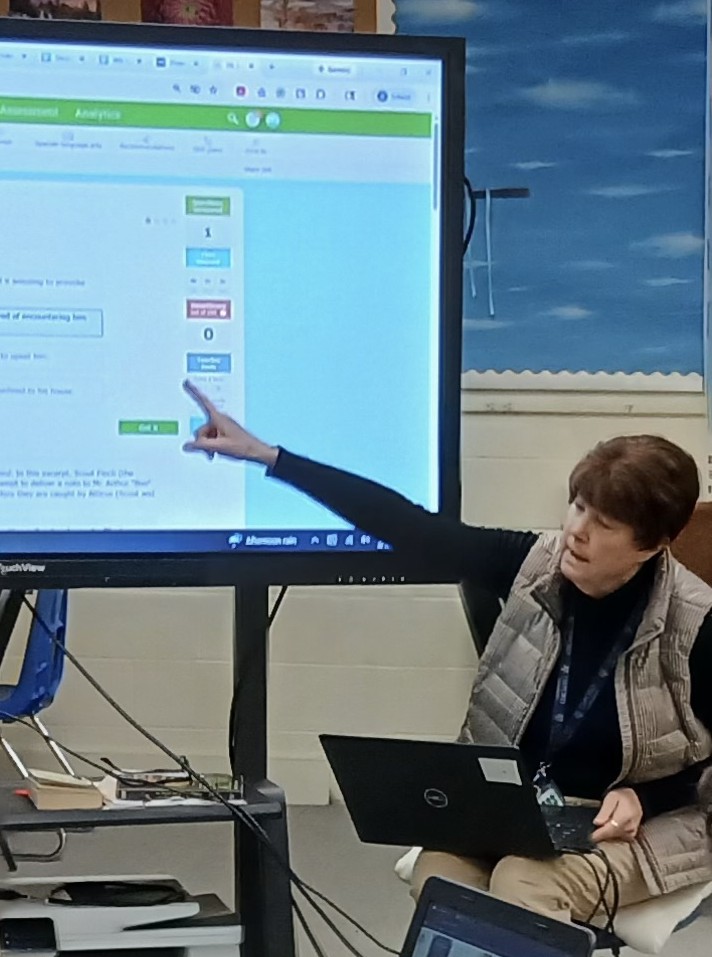
On a bright Monday morning at the start of a new school year, veteran teacher Gretchen Venkatesh was still finding her footing at a new campus in Pecos, NM. This small village in northern New Mexico faces the same educational challenges as many rural communities across the country as Venkatesh was soon to experience. She was navigating unfamiliar routines and still learning the building’s layout, while also taking on the slow work of building trust with students. Then, unexpectedly, a student would inspire her to learn more about the deeper needs that many students bring into the classroom and the importance of having strategies to support a trauma-informed classroom.
A small group of students entered her classroom out of sync with the bell schedule. One student was visibly distraught, tears streaming down her face, supported by a peer who quietly asked if they could sit down. Venkatesh nodded, and the two settled into a calm corner of the room, “the green corner”—an area filled with plants, benches and soft light, serving as a peaceful space for students to reset.
The immediate crisis passed, but the moment lingered.
“I realized I cared deeply and wanted to help, but I didn’t yet have the tools to understand what that student was carrying or how best to respond,” she says.
A Turning Point
Later that week, while reviewing a routine email about professional development opportunities, one phrase stood out: “strategies for a trauma-informed classroom.” Though already balancing a full teaching schedule and graduate coursework, Venkatesh felt compelled to learn more. That decision led her to Project ECHO.
Based at The University of New Mexico Health Sciences Center, Project ECHO uses a virtual, case-based learning model to connect educators, health professionals and community providers with expert teams and peers. Participants learn evidence-based practices, share real-world experiences, and build confidence to address complex challenges where they live and work.
Learning Through Connection
The Strategies for the Trauma-Informed Classroom ECHO Program empowers teachers and administrators across New Mexico with tactics to create classrooms where all students feel safe, supported and ready to learn. Similar to the TIPS ECHO program, the Strategies for the Trauma-Informed Classroom sessions create a community of practice for educators to be responsive in their unique communities.
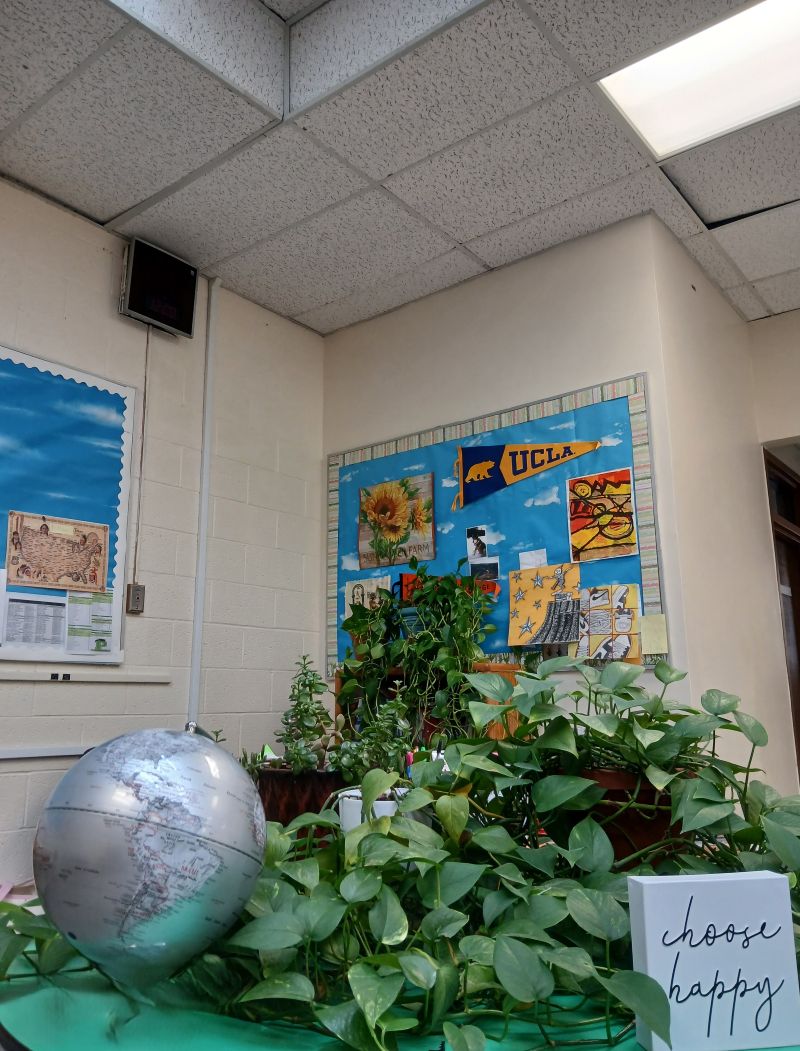
Venkatesh’s classroom green corner with plants and activities to help students reset. Photo Credit: Gretchen Venkatesh, February 2026.
Rather than focusing solely on theory, the sessions offered practical strategies grounded in compassion, neuroscience and lived experience. Just as important, they created a space for educators to learn from one another.
“The hour went by quickly,” Venkatesh says. “There was something powerful about learning alongside others who were facing the same realities in their classrooms.”
During one session, participants developed a personal action plan. Drawing from what she had learned, Venkatesh committed to three simple practices: beginning each class with a one-minute mindfulness pause; incorporating brief check-ins to build connection; and intentionally preserving a calm space (the green corner) where students could step away when things felt overwhelming.
Small Changes, Lasting Impact
One semester later, the shift in the classroom culture was unmistakable. Students began reminding Venkatesh not to skip the mindfulness minute. Trust grew gradually through consistent routines. The once-quiet corner of the classroom evolved into a book nook, art space and reset area—used respectfully and often.
“Those small moments of slowing down changed everything,” she reflects. “They gave students an intentionally safe space.”
Building Responsive Classrooms Together
Venkatesh knows her learning journey is far from over, but Project ECHO gave her something invaluable: confidence, community and the ability to respond to trauma with intention, rather than uncertainty.
Educators across New Mexico are navigating increasingly complex student needs. New Mexico has the highest prevalence nationally of adults with four or more adverse childhood experiences. In other words, children have higher rates of trauma exposure when compared with national averages. New Mexico also ranks last in the nation in child well-being.
“Students arrive in the classroom, and their behaviors may be communicating their trauma. Teachers learn self-regulation skills and how to teach regulation as a part of classroom management. By identifying and addressing the students’ responses to trauma, they can support resilience and allow for learning,” says Soraya Gollop, Ph.D., director of education for Project ECHO. “Project ECHO’s Strategies for the Trauma-Informed Classroom Program helps ensure they are not doing that work alone and together we are building trauma-responsive classrooms.”
To learn more, visit the program page on iECHO: Strategies for the Trauma-Informed Classroom NM ECHO Program or contact the education team.
Featured Image Credit: Gretchen Venkatesh for Project ECHO, February 2026.