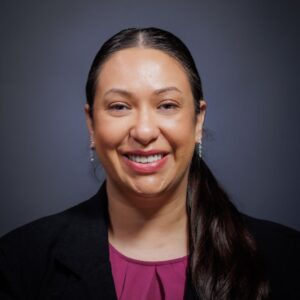
“First responders are the firefighters, EMTs and police officers running toward an emergency when everyone else is running away,” says Jessica Medrano, academic affairs director of emergency medical service programs at Central New Mexico Community College and a former field paramedic.
They provide crucial support to people during their most vulnerable moments, and it takes a lot out of them.
First Responders Are Always There for Us — But Who’s There for Them?
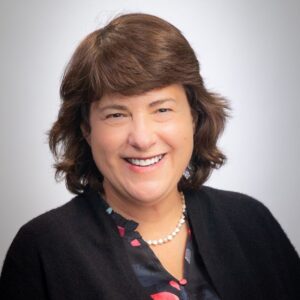
“They’re seeing child abuse, domestic violence and deadly car crashes,” says Joanna Katzman, MD, former medical director and founder of the First Responders ECHO Program. “Often, in New Mexico’s small towns, first responders know the victims and their families. It can be emotionally traumatic work.”
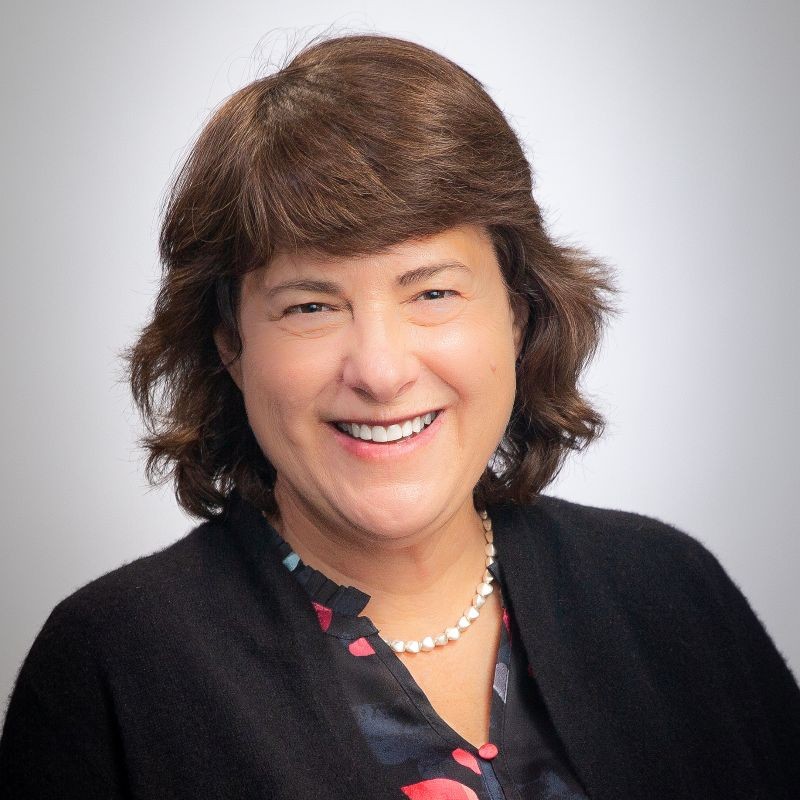
Dr. Joanna Katzman founded the ECHO First Responders Program in 2019; today, it has expanded to include all frontline providers.
Teaching first responders how to cope with the high-intensity nature of their work is crucial; the chronic stress leads to high rates of turnover and many small towns have a hard time finding enough staff.
“I ask people to think about this: what if you called 911 and no one was there to help you?” says Medrano, who has been teaching first responders since 2006.
Medrano was one of the first to join Project ECHO when it launched a first responders program. The program teaches self-care and healthy techniques for dealing with stress and anxiety: breathing techniques, exercise and meditation.
“What I love about ECHO is that it provides both education and a community. Rural first responders come to me all the time saying they can’t make the hours-long commute to Albuquerque, but they want more training. ECHO removes that barrier and provides them with support from people in the same position,” Medrano says.
Practical Tools for Anxiety, PTSD and Stress
Participants also learn the warning signs of post-traumatic stress disorder—trouble sleeping, startling easily or consuming too much alcohol—and how to get help. In turn, Medrano shared this knowledge with her own students – up to 200 each semester.
“First responders are trained on how to help someone in a mental health crisis, but they aren’t trained on how to support their own emotional well-being,” Medrano says.
Medrano knows the lasting impact first responders have on people’s lives: one of her own students was the paramedic who cared for her father during a heart attack.
“The paramedic who helped my dad made sure he got to the right hospital immediately,” she says, holding back tears. “He put so much time and energy into taking care of my dad.”
A Community That Understands the Challenges of the Job
The ECHO Program was first launched in 2019 with a focus on helping first responders—police officers, firefighters and EMS personnel—care for themselves, after a long day of caring for others.
However, in recent years, the ECHO Program has expanded beyond its initial focus to more broadly support “frontline” providers or all clinicians who provide direct patient care – a group vulnerable to burnout and nearly 1.5 times more likely to change practices or stop practicing medicine.
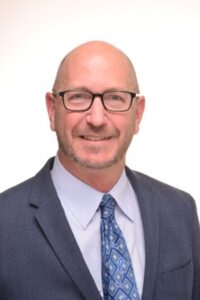
“As the rates of burnout have continued to soar for clinicians and statistics around leaving practice are rising, the Resilience ECHO Program has continued as a support to create a community of practitioners within New Mexico and across the nation committed to sharing ideas around resilience to anyone providing clinical care,” says Dr. Jeff Katzman, a board-certified psychiatrist, who has taken the reins to lead the broader program, now called the Resilience ECHO Program.
Based on the ECHO Model, participants meet monthly to share and learn from each other, as well as experts of multidisciplinary backgrounds. To date, 2,403 people have participated in the Resilience ECHO Program from nearly all of New Mexico and as far away as Puerto Rico and Venezuela.
To learn more about the New Mexico Resilience ECHO Program, email the New Mexico Programs Team.
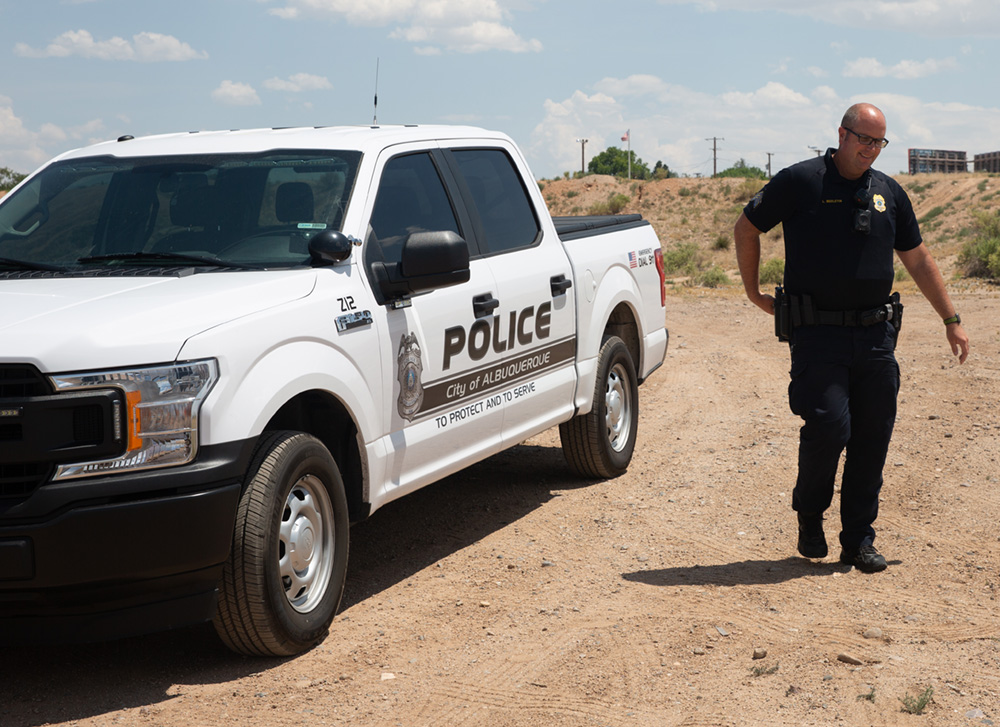
Featured Image: A first responder in New Mexico. Photo Credit: The University of New Mexico Health Sciences Center.
Originally published in October 2021, this story was re-published in April 2026 to include an update on the program’s expanded focus to include all frontline clinicians – not just first responders; a quote from the new medical director, Dr. Jeff Katzman; and to update the number of participants to date.