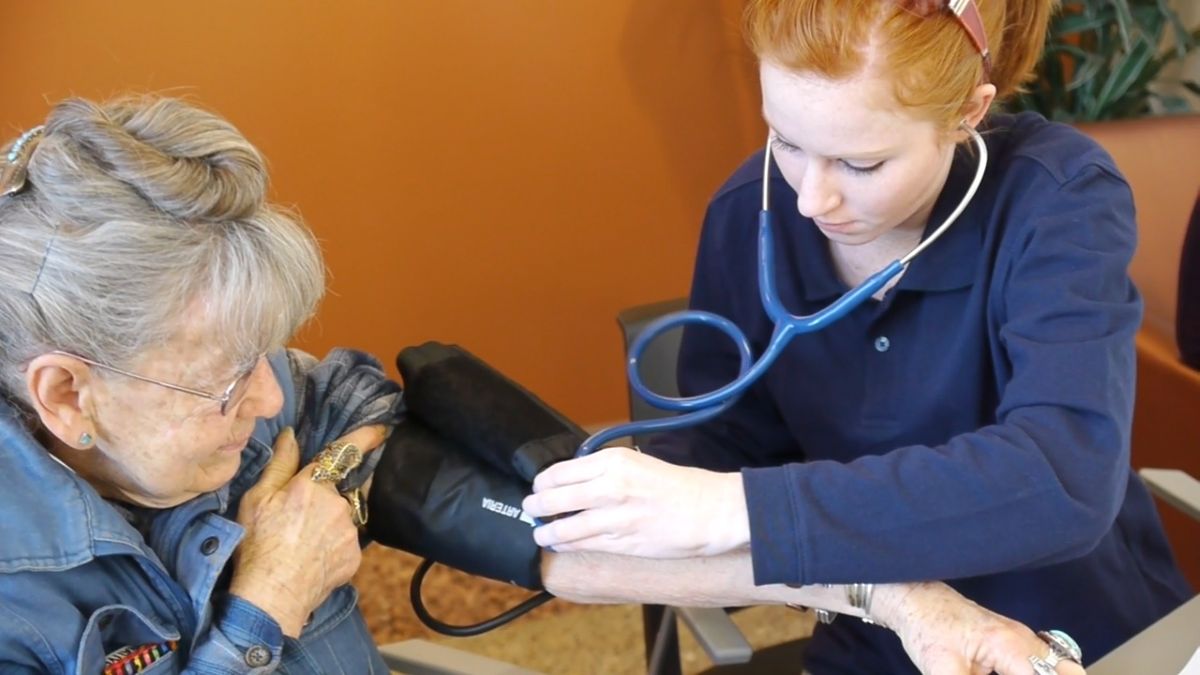
A discussion between a clinician and patient is personal. One person is trying to help; the other is asking for help with something that may feel vulnerable or uncertain. In these situations, “what” is said matters as much as “how” it is said. The importance of these conversations extends to the national effort to improve healthcare in rural areas.
Over the next five years, the US government will award $50 billion to states under the Rural Health Transformation Program (RHTP). Part of that initiative will include trying to keep care closer to home. But what will it take for that care to work well in rural communities?
Information Is Only Part of the Conversation
Clinical communication is the exchange of information between healthcare professionals and patients to help them understand health concerns, discuss treatment options and make informed decisions about care. From a clinician’s viewpoint, a common approach is to provide optimal information with the intent that it will lead patients to make different choices. But recent research has challenged that assumption.
An example scenario might be: A clinician is speaking to a person with pre-diabetes. While discussing nutrition and exercise, the clinician suggests a lifestyle choice: consider going for a short walk after dinner to reduce blood sugar spikes. But the patient does not feel comfortable walking in their neighborhood in the evenings. So, “going for a walk” is actually not a choice for them.
Information isn’t always enough. Clinicians need to consider communicating in ways that connect with a patient’s values, experiences and circumstances.
“Compassionate listening, showing curiosity, acknowledging fears, and gently offering resources and stories that help people gain new perspectives may be some of the most important things that clinicians can do,” says Joanna Katzman, MD, MSPH Professor Emerita at the University of New Mexico, and Ann Searight Cristiano, Director, Center for Public Interest Communications at University of Florida, from their article in JAMA Network Open: “Clinicians as Trusted Messengers—The “Secret Sauce” for Vaccine Confidence.”
Why This Matters in Rural Communities
Policymakers may envision rural healthcare transformation at a systems level. But delivering care closer to home often puts trusted local clinicians at the center of that effort. Provider communication can support the practitioner-patient relationship—or undermine it. That makes communication particularly consequential in rural healthcare.
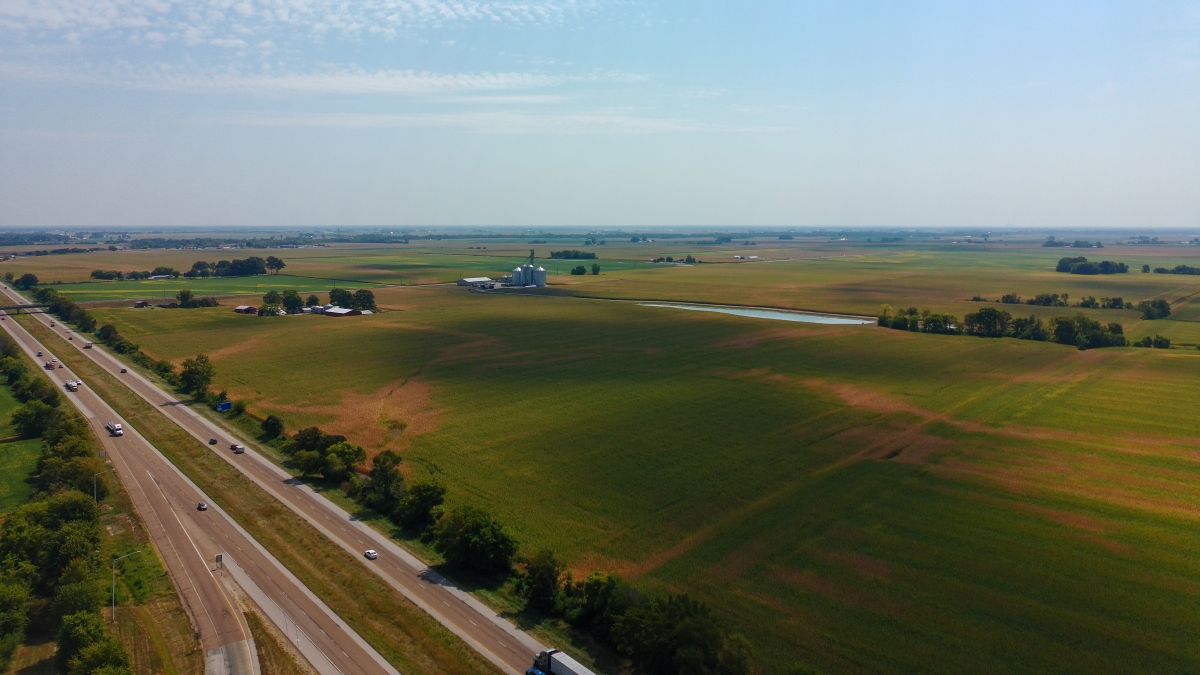
Source: Adobe Stock.
Putting Trust into the Heart of the Practice
The idea of “trust” prompted an ECHO Program that focused on communication as an important element of clinical care for rural clinicians. Searight Cristiano presented three strategies for consideration:
1) Avoid bringing up broad political topics when building support for local health policy.
An effective approach is to spot language that is obviously political, such as the terms “left wing” and “right wing.” Instead, focus on listening to understand another person’s point of view and find common ground.
2) Frame in moral values, identities and analogies that conservatives already agree with.
Indeed, common ground is often found by speaking to the values people already hold. A clinician can better share health facts without making a patient feel like they are betraying their group.
Analogies are useful because they make complicated ideas easier to understand by comparing them to something familiar. An example is: “Washing your hands is like locking your front door. It reduces risk.”
3) Frame messages with societal solutions. It moderate levels of personal responsibility.
If a clinician wants a community to trust their health message, they need to listen as much as they talk and build a solution together. Clinicians may want to ask questions like: “What issues are you worried about?” “How would you solve this?” People respond better when they feel they have the power to decide on a course of action.
Learn More: Additional Resources
The NM Clinical Communications ECHO Program ran from 2022 to 2026 and was supported through federal funding from the Health Resources and Services Administration (HRSA) under the Telehealth Technology-Enabled Learning Program (TTELP).
Register for the New Mexico Infectious Disease Office Hours ECHO Program and the New Mexico Syphilis Syndemic ECHO Program.
Explore our other New Mexico ECHO Programs.
Watch a presentation from a September 2026 New Mexico Clinical Communications ECHO Program session.
Featured image source: University of New Mexico Health Sciences Center Stock Photos.