Diabetes is a 24/7 condition—there are no breaks, no vacations, and for many patients, no easy access to specialty care. In the United States, there simply aren’t enough diabetes specialists to meet demand. As a result, nearly 90% of people living with diabetes receive care from primary care providers, many of whom practice in rural or underserved communities.
For patients in these areas, managing diabetes can feel overwhelming. They are often traveling hours to see a specialist for a brief appointment, which can lead to frustration and discourage people from seeking care altogether. As one patient shared, “I basically said, ‘You know what, I give up.’ I stopped taking all my medications. I didn’t care about my diabetes. I didn’t care about anything.”
Empowering Primary Care, Transforming Lives
Project ECHO is changing that reality. Through the ECHO Model, primary care clinicians connect virtually with interdisciplinary specialist teams including diabetes educators, behavioral health specialists, and kidney experts to discuss real patient cases and receive guidance from both peers and specialists.

Project ECHO clinician participants meet virtually to learn and improve patient outcomes.
Overtime, these clinicians gain the confidence and expertise to manage complex diabetes care close to home, eliminating the need for long-distance travel and fragmented care. Patients can receive high-quality treatment from providers they already trust, right in their own communities. Clinical outcomes showed that those cared for by rural ECHO providers did just as well, if not better, than the patients at the specialist clinic.
“I feel like my patients are very lucky to get that input,” one clinician shared. “I get all the ideas, take them back to the patient, and help them understand what’s possible.”
A Model That Scales Globally
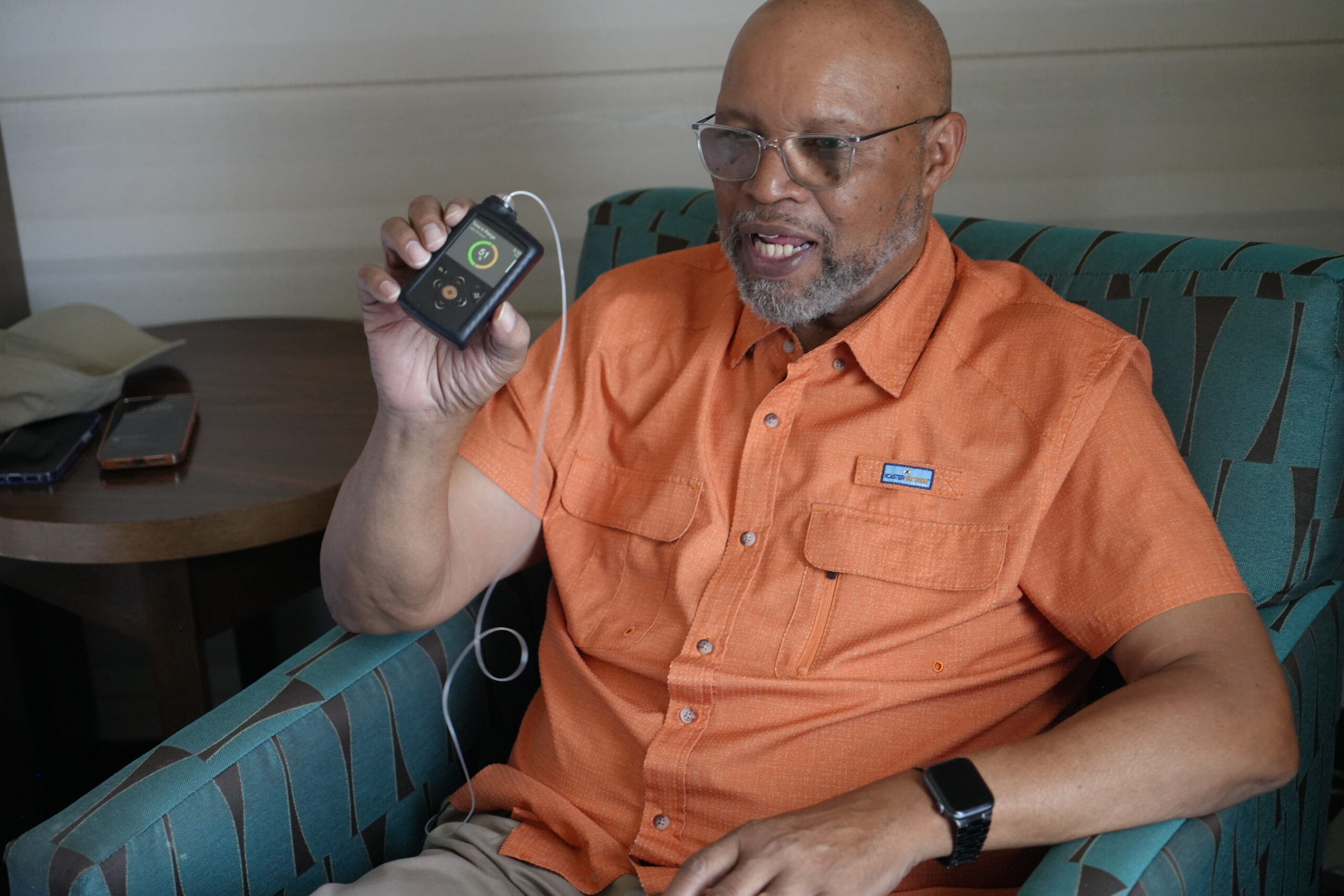
For one patient, that support led to life-changing treatment, including access to an insulin pump that dramatically improved quality of life. “It was like I went from eating a hamburger to eating a steak,” he said.
Beyond rural New Mexico, the ECHO Model has proven adaptable and effective in low- and middle-income countries around the world. By expanding knowledge, Project ECHO is saving lives, strengthening health systems, and ensuring that no matter where someone lives, expert care is within reach.
Project ECHO is an effective intervention for improving diabetes care in rural settings, according to a study published in the AACE Endocrine Practice (November 2025). Learn more about Project ECHO’s impact in diabetes care. To become an ECHO partner or learn more, email the program team with questions.