
Our Stories
Read how Project ECHO is impacting communities worldwide

Featured Story
Before the Crisis: Preparing for Public Health Emergencies
A Note from the Authors: Between the two of us, we bring decades of physician experience to the table. We have worked on emergency preparedness and response in the United States and all over the world. Preparedness is both a technical challenge—and a social one. Here’s where we see the biggest risks and opportunities:
All ECHO Stories
Five Questions With: Jess Jones, Ph.D.
Jones first joined Project ECHO in 2017 as a graduate student. She fell in love with the “immediate impact” ECHO has on the world – a privilege not all researchers get to enjoy in their work. Today, Jones serves as director of the research and evaluation team.
>Health Care
Five Questions With: Andrea Zurawski, RN
Bilingual nurse-educator Andrea Zurawski joined Project ECHO in 2011, inspired to “go large” with her impact. Today, she oversees Project ECHO’s growth in Latin America.
>>HIV/AIDS
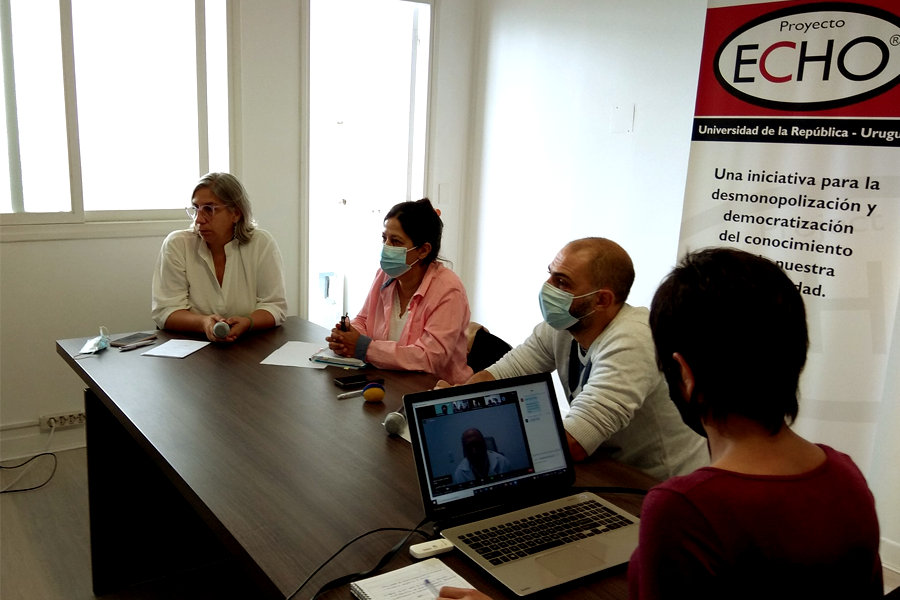
Closing the Gap with Project ECHO: HIV Care in Latin America
Through Project ECHO, health care providers from Uruguay to Brazil are improving access to early diagnosis and advanced care for complex cases.
>>HIV/AIDS
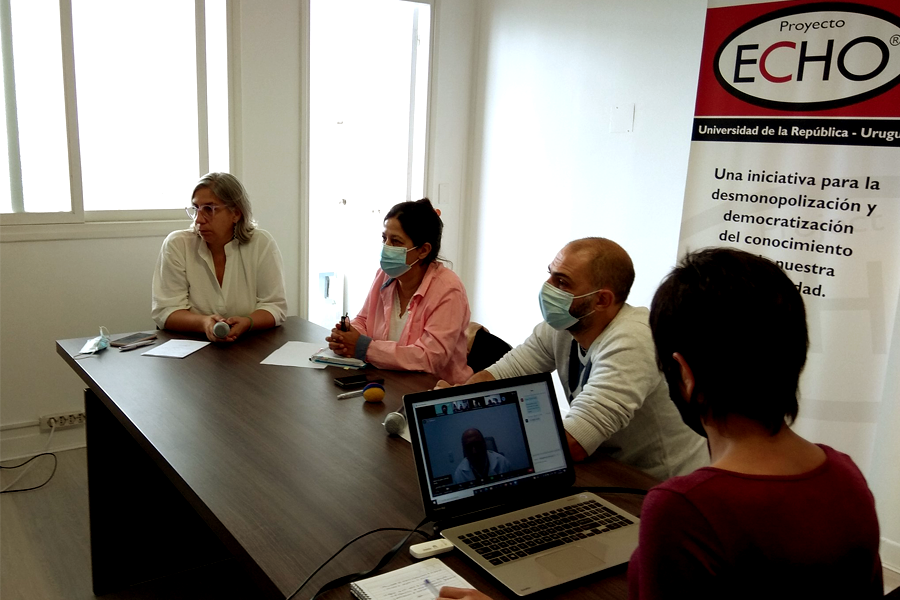
Reducción de las Disparidades con Proyecto ECHO: Atención al VIH en América Latina
A través de Proyecto ECHO, los proveedores de atención sanitaria de Uruguay a Brasil están mejorando el acceso al diagnóstico precoz y a la atención avanzada de casos complejos.
>>HIV/AIDS
Reduzindo as disparidades com o Projeto ECHO: Cuidados com o HIV na América Latina
Por meio do Projeto ECHO, os prestadores de serviços de saúde do Uruguai ao Brasil estão melhorando o acesso ao diagnóstico precoce e ao atendimento avançado para casos complexos.
>Health Care
Project ECHO: Origin Story
“Every year, millions of people around the world die of diseases that are preventable, treatable and even curable because the health care providers in their communities don’t have the knowledge and expertise needed to address their conditions,” Dr. Sanjeev Arora, founder of Project ECHO.
>Health Care
Five Questions With: Kartik Dhar
Serving as the chief technology officer for Project ECHO, Kartik Dhar joined ECHO in 2017, inspired to use “technology for good.” He oversees iECHO.org, ECHO’s proprietary telementoring platform.
Justice and Corrections
Five Questions With: Dr. Karla Thornton
Dr. Karla Thornton first joined Project ECHO in 2003 as part of the very first ECHO Hub team focused on hepatitis C. In April 2025, she stepped up to fulfill the executive director position.
Noncommunicable Diseases
Bringing Cancer Care Closer to Home in Rural India
Cancer is one of India’s biggest health challenges, with an estimated 3.3 million people affected*. Through Project ECHO, frontline providers are changing how cancer care is delivered in rural communities.
>>Cancer
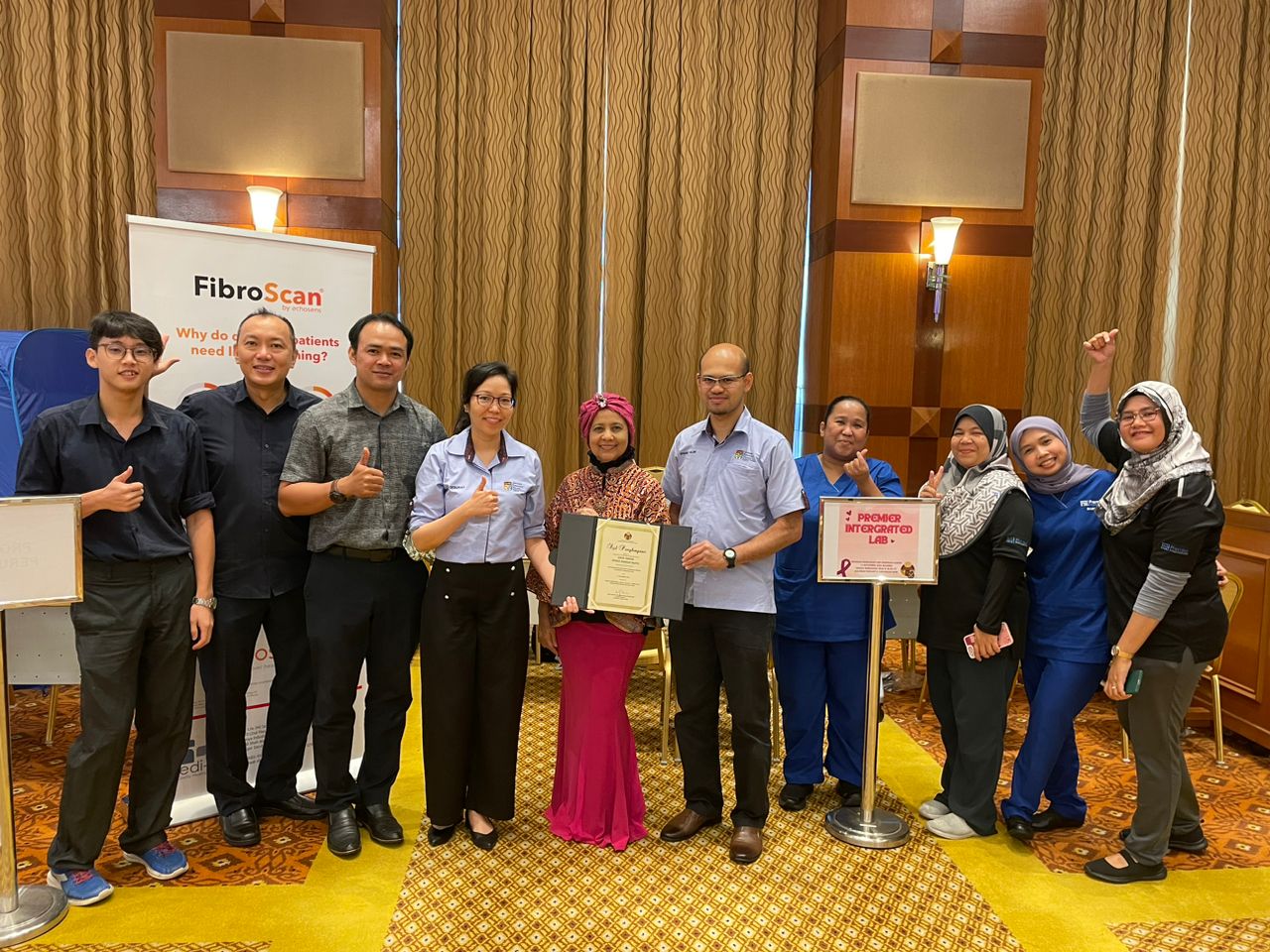
Liver Cancer Care: Advancing Early Detection and Access in Malaysia
Project ECHO is transforming liver cancer care in Malaysia by building local capacity and offering patients a better chance at survival.
>>HIV/AIDS
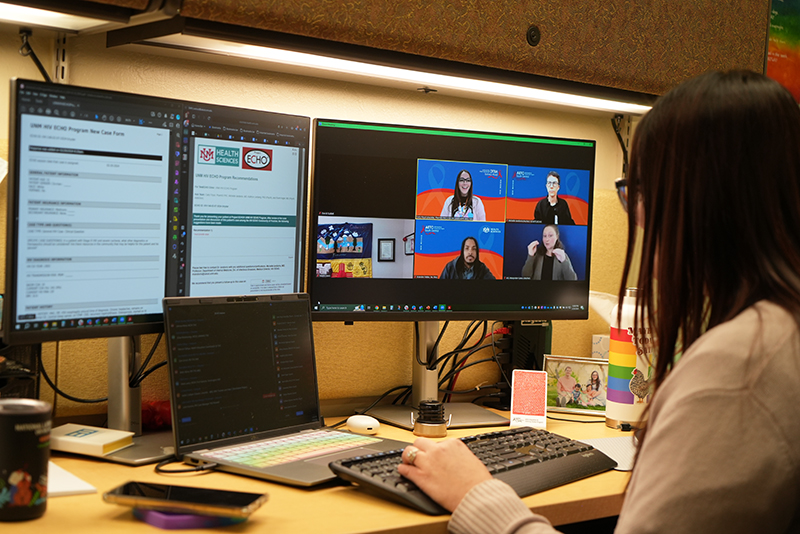
The End in Sight: Concluding the HIV Epidemic with Project ECHO
“We have all the tools we need to end the HIV epidemic. We just need to implement them. Project ECHO is critical for equipping the workforce with the knowledge, and community support, to make that happen,” says Dr. Jorge Mera.
Noncommunicable Diseases
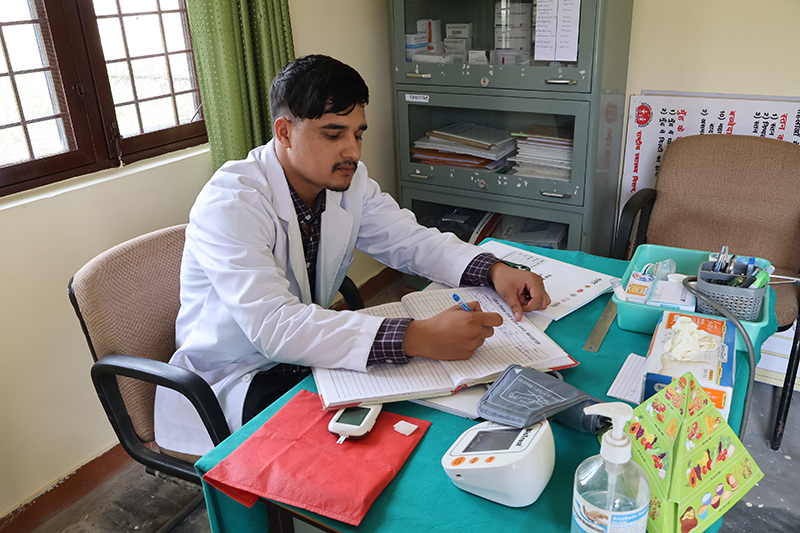
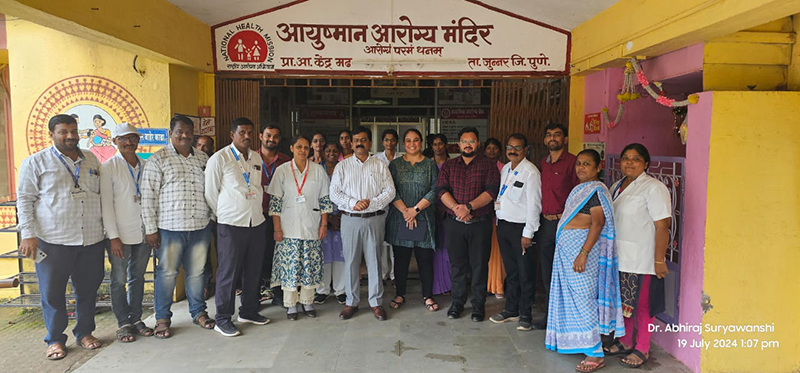
A Silent Health Crisis: Hypertension in India’s Rural Communities
In India, hypertension training for health workers is a critical public health need. Project ECHO is empowering India’s frontline health workers to detect and manage high blood pressure, one community at a time.
>>Diabetes
La Lucha Contra la Diabetes en el Brasil Rural: Formar a Profesionales Sanitarios para que Presten Cuidados que Salvan Vidas
En las zonas rurales de Brasil, el acceso a la atención diabética es muy limitado. Con formación virtual y orientación, el programa de ECHO de diabetes de la Universidad Federal de Sergipe está cambiando la forma en que se trata la diabetes, llegando a más comunidades y mejorando vidas.
>>Diabetes
Combatendo o Diabetes na Zona Rural do Brasil: Capacitação de Profissionais de Saúde para Prestar Cuidados que Salvam Vida
Nas áreas rurais do Brasil, o acesso a cuidados para diabetes é bem limitado. Com treinamento virtual e orientação, o programa ECHO de diabetes da Universidade Federal de Sergipe está mudando a forma como a diabetes é tratada, alcançando mais comunidades e melhorando vidas.
>>Diabetes
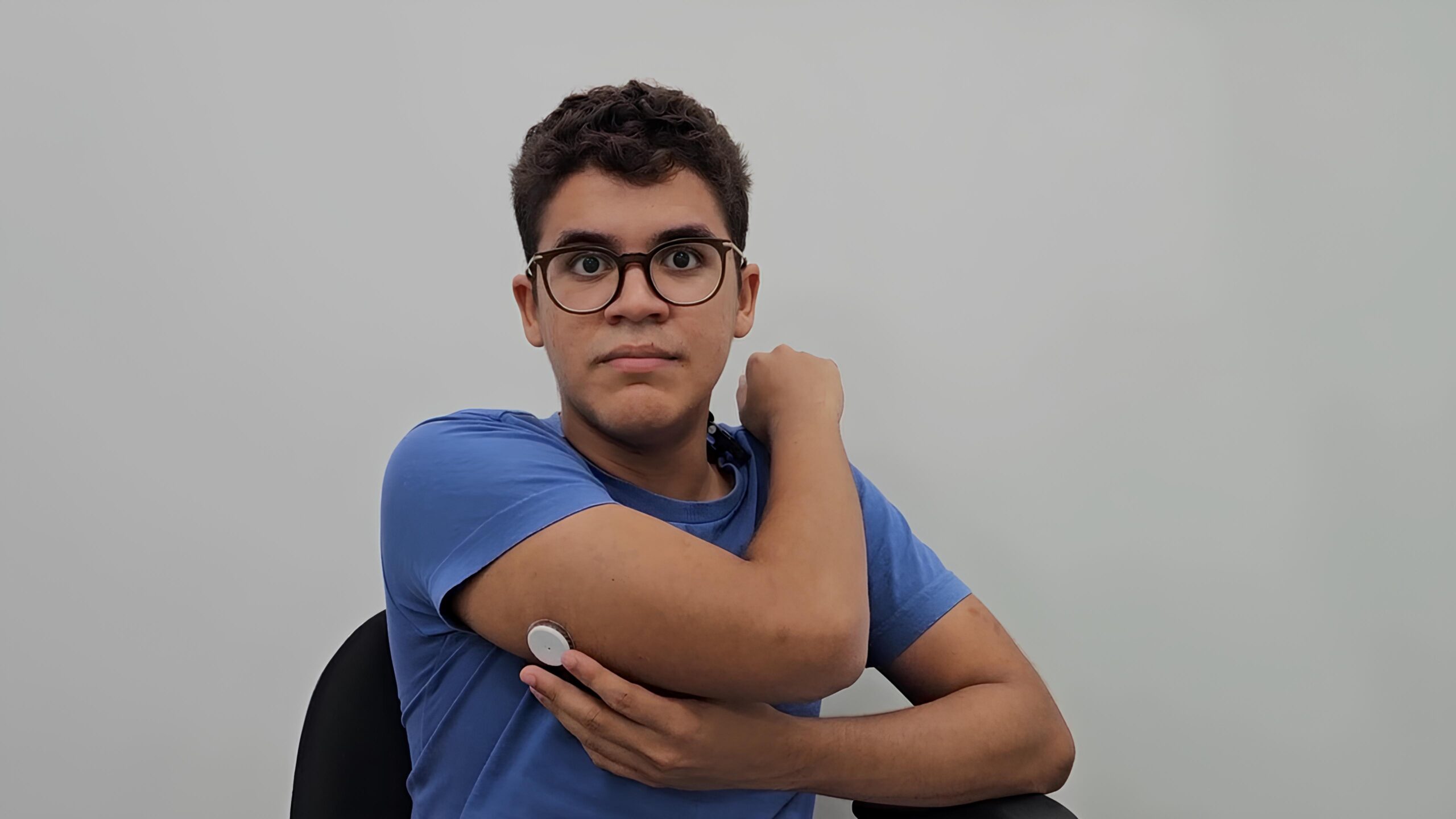
Diabetes in Brazil: Telementoring Empowers Health Workers to Deliver Life-saving Care
In rural Brazil, access to diabetes care is limited, especially in rural communities. Using telementoring and virtual training, the Federal University of Sergipe’s diabetes program is changing the way diabetes is treated—reaching more communities and improving lives.
>Health Care
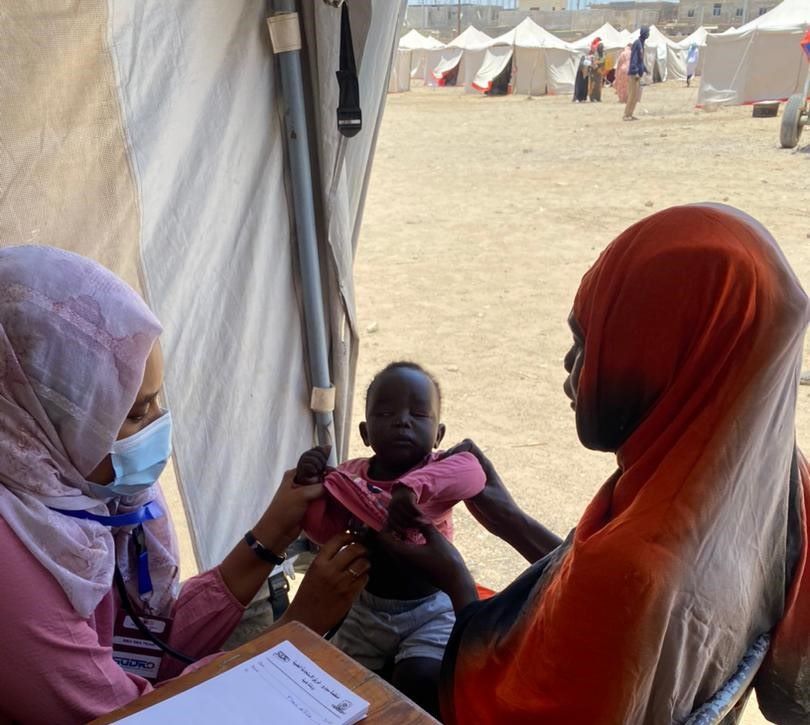
Responding to Gender-Based Violence During War: Sudan
Since 2023, Sudan has been torn apart by civil war, genocide and gender-based violence. Civilian populations have suffered from atrocities and wanton violence. And, with much of the country’s infrastructure destroyed, health workers are forced to provide care in the field.
Systems Change
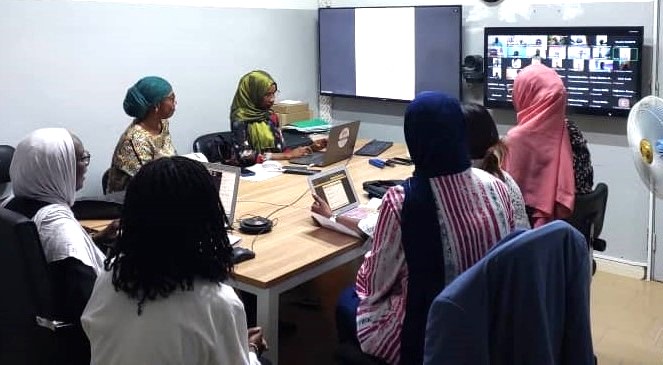
Expanding Opportunities and Building Workforce Capacity in Senegal’s University System
Until last year, Professor Halimatou Diop-Ndiaye had not seen a woman as vice dean during her tenure at the Cheikh Anta Diop University of Dakar. In her own department, less than one-quarter of the faculty were women.
>Health Care
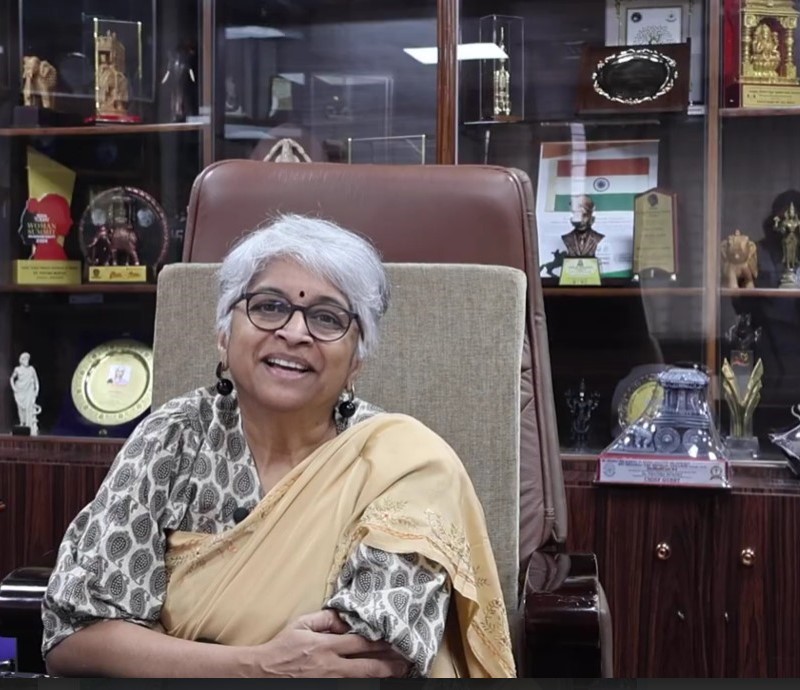
From Stigma to Support: Flipping the Script on Mental Health in India
ECHO India and the National Institute of Mental Health and Neurosciences are changing this landscape, offering a beacon of hope to communities in need.