Impact in the United States

United States
Letter from a Partner
More than 2.4 million people in the United States are living with hepatitis C. In Louisiana, the burden is particularly severe: our state ranks among the highest for liver-related diseases and deaths.
Marginalized communities—including people who inject drugs or those who are experiencing homelessness or incarceration—are disproportionately affected by HCV. Far too many people lack access to timely diagnosis and treatment; left untreated, the consequences are severe: they can include: diabetes, kidney disease, liver cancer or liver damage.
At the Louisiana Department of Health, we are committed to eliminating hepatitis C as a public health threat. Through a five-year elimination plan that concluded in 2025, we set out to treat 39,000 people enrolled in Medicaid and in the Department of Corrections. Thanks in part to strong provider engagement and Project ECHO, we exceeded that goal. Continuing to build knowledge and capacity among frontline health workers remains essential to reaching people in rural areas and other underserved communities.
Crucial to success in this space, ECHO* participants learn to compassionately address the stigma surrounding the virus and incorporate harm reduction strategies—including medication for opioid use disorder—into their care plans for patients.
In an environment of collaborative, ongoing learning—called “all-teach, all learn”—every month, clinicians can seek guidance from experts as well as their peers; share unique challenges; and refine their approach.
One provider recently shared how ECHO’s case-based learning gave them the confidence to initiate HCV treatment in their clinic, improving health care outcomes and reducing the number of patients with HCV in the community.
These stories reinforce why we need to expand our efforts. Join Louisiana in the fight to eliminate HCV: join an ECHO session or start your own ECHO Program today.
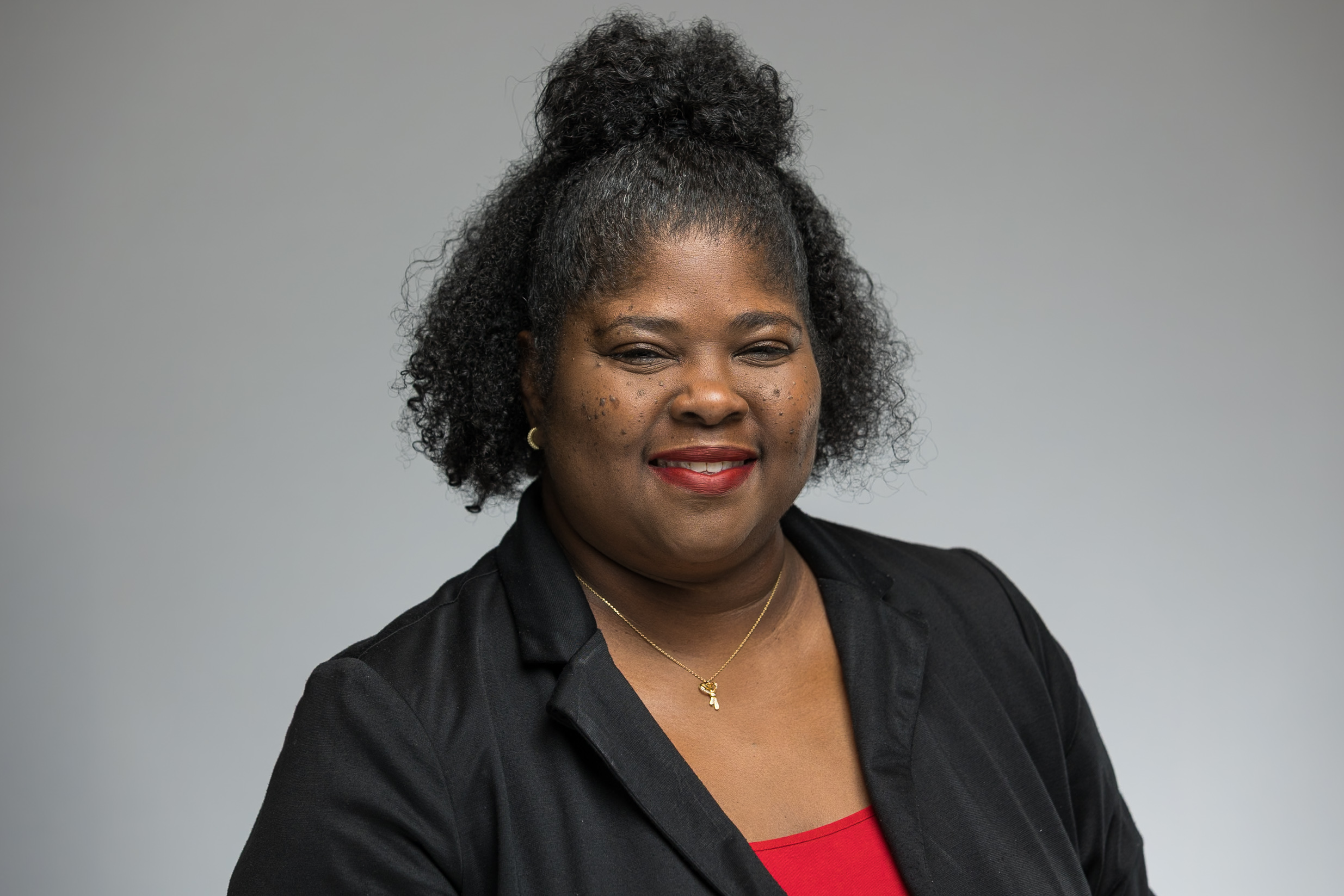

Chrisey Smith, MBA
Bureau of Chronic Disease Prevention & Healthcare Access (BCDPHA) Program and Grant Operations-Coordinator 3
Well-Ahead Louisiana
Louisiana Department of Health’s Office of Public Health
*To learn more about the HCV Elimination/HHARM ECHO Series, visit the iECHO.org webpage.
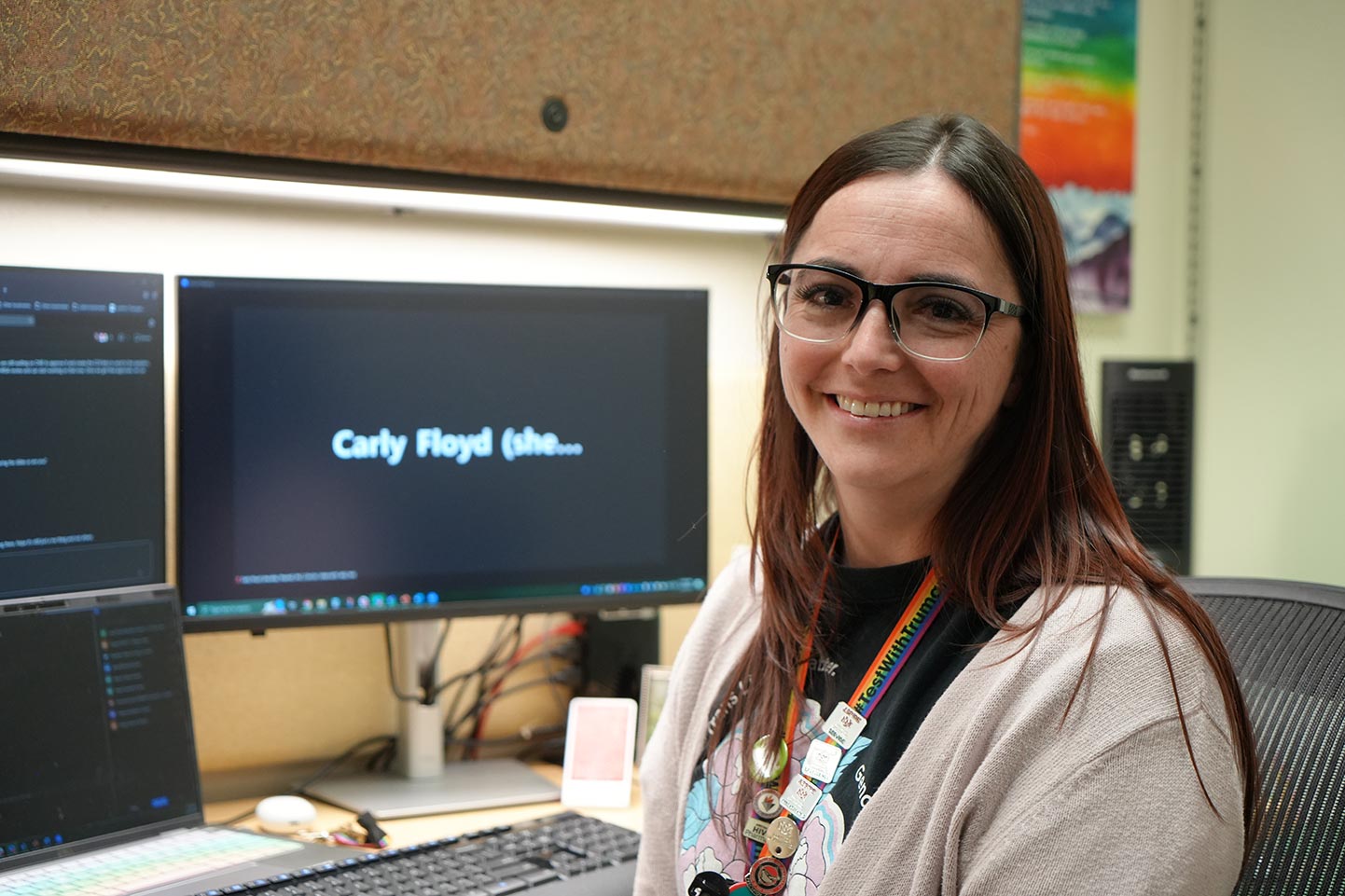
The End in Sight: Concluding the HIV Epidemic with Project ECHO
The need for accessible, up-to-date HIV education is urgent. Health care teams in rural areas juggle overwhelming caseloads with evolving standards of HIV prevention and treatment – often with limited training, scarce referral options, and persistent barriers to care.
TIPS ECHO Creates a Trauma-Informed Community for Educators to Help Kids and Families
“What made it unique is that Project ECHO’s effectiveness was proven in rural communities and communities where families were typically under-resourced,” says Alfreda Clark, director for the West Lakes Early Learning Center in Orlando, FL.


Khanmigo ECHO: Transforming Classroom Education by Training Teachers to Use AI
In Oklahoma, that’s a reality, thanks to a partnership between Project ECHO and Khan Academy that’s bringing an artificial intelligence teaching assistant called “Khanmigo” to classrooms in participating schools.
United States: Nationwide Reach
Scale

providers from all 50 states, DC and Puerto Rico. 25% from rural/underserved counties.
Action

sessions on behavioral health, chronic disease and rural access
At AmeriHealth Caritas, the ECHO Model has proven that embedding an ECHO clinic within our plans enhances care quality, promotes best practices, and builds capacity to offer point-of-care treatment. By partnering with health care providers across multiple states, we’ve strengthened collaboration, expanded access, and reduced barriers to care. The scalable model enables us to broaden our impact in key areas from substance use disorders to integrated health, increase clinic offerings, and engage providers in relevant, flexible educational opportunities while supporting communities by strengthening practitioner capabilities.”
— Shoshannah Guerrero, MA, LMFT
Clinical Educator, AmeriHealth Caritas
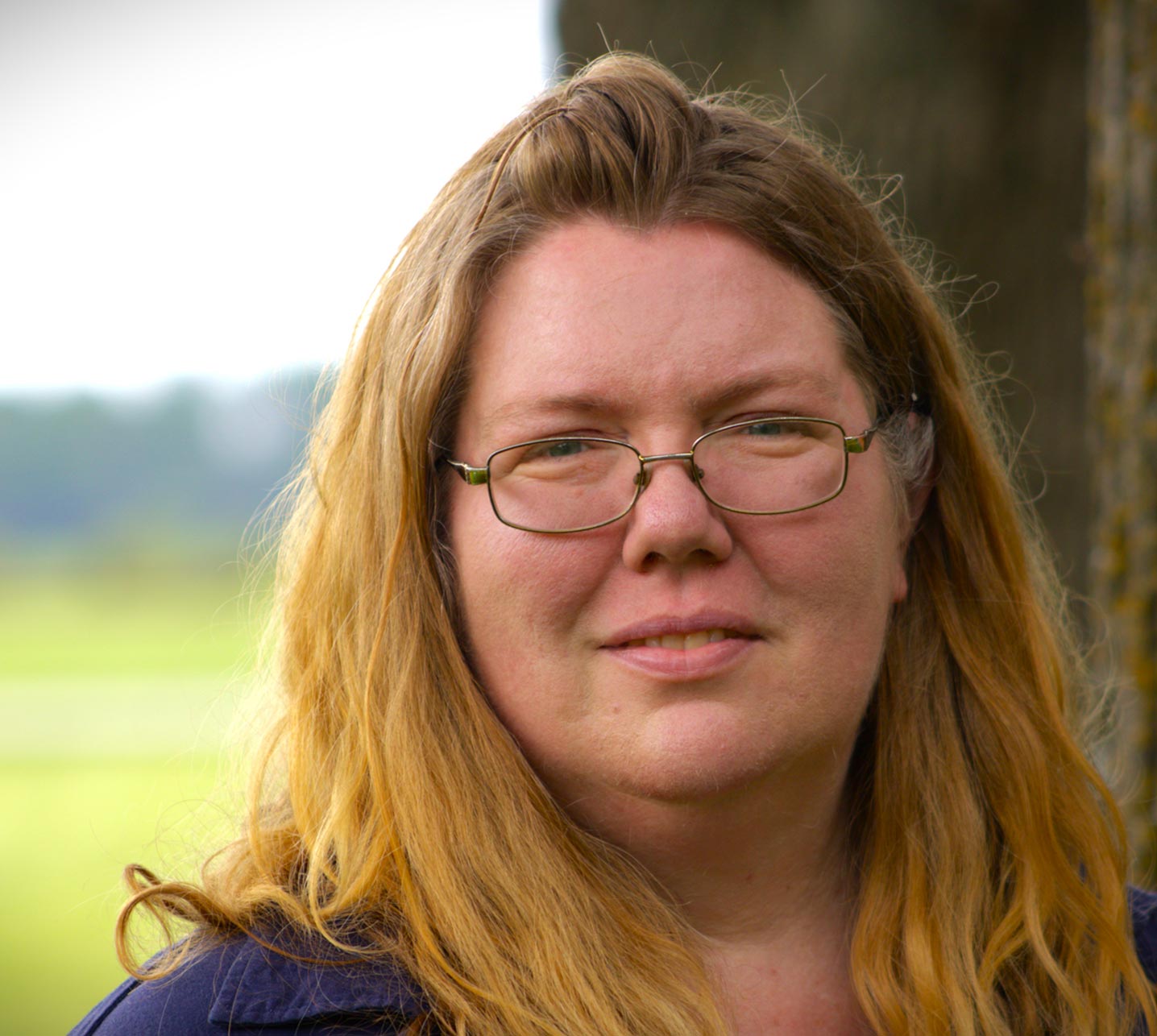
From the Field

Kory Moore Luther (left) attended the 2025 Health Disparities Leadership Conference, where she presented her collaborative work with ECHO and reconnected with Koya A. Richards (right), an ECHO participant and U.S. Virgin Islands Ambassador of the National Association of Community Health Workers.
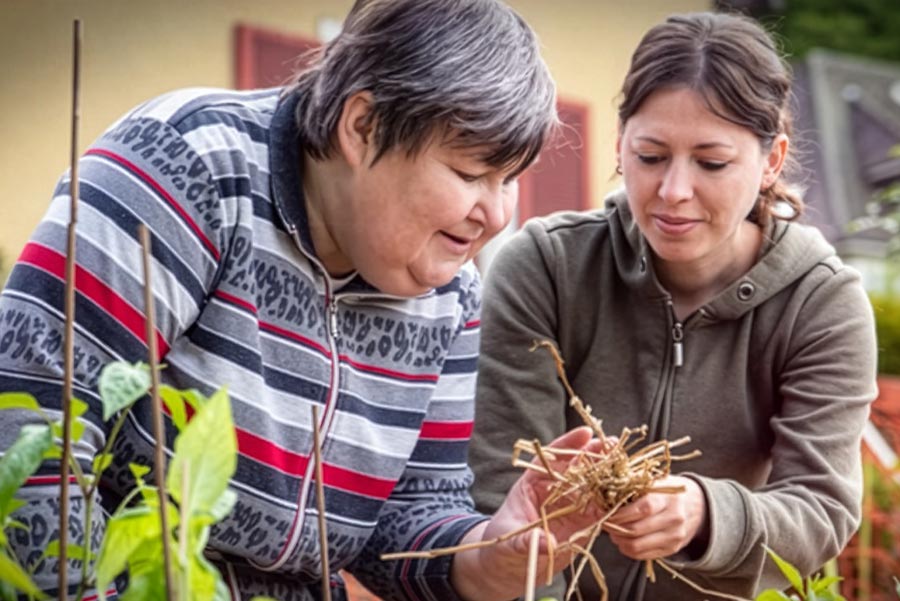
Rutgers University expands access to patient-centered care for people living with disabilities through the Intellectual and Developmental Disabilities ECHO Program, which focuses on health care provider education.
Meeting the Moment: Our Stories from Around the World
Join the Journey
Your contribution fuels partners in underserved communities around the world.