What We Do Today Matters.
What We Do Tomorrow Matters More.
A note from the executive director
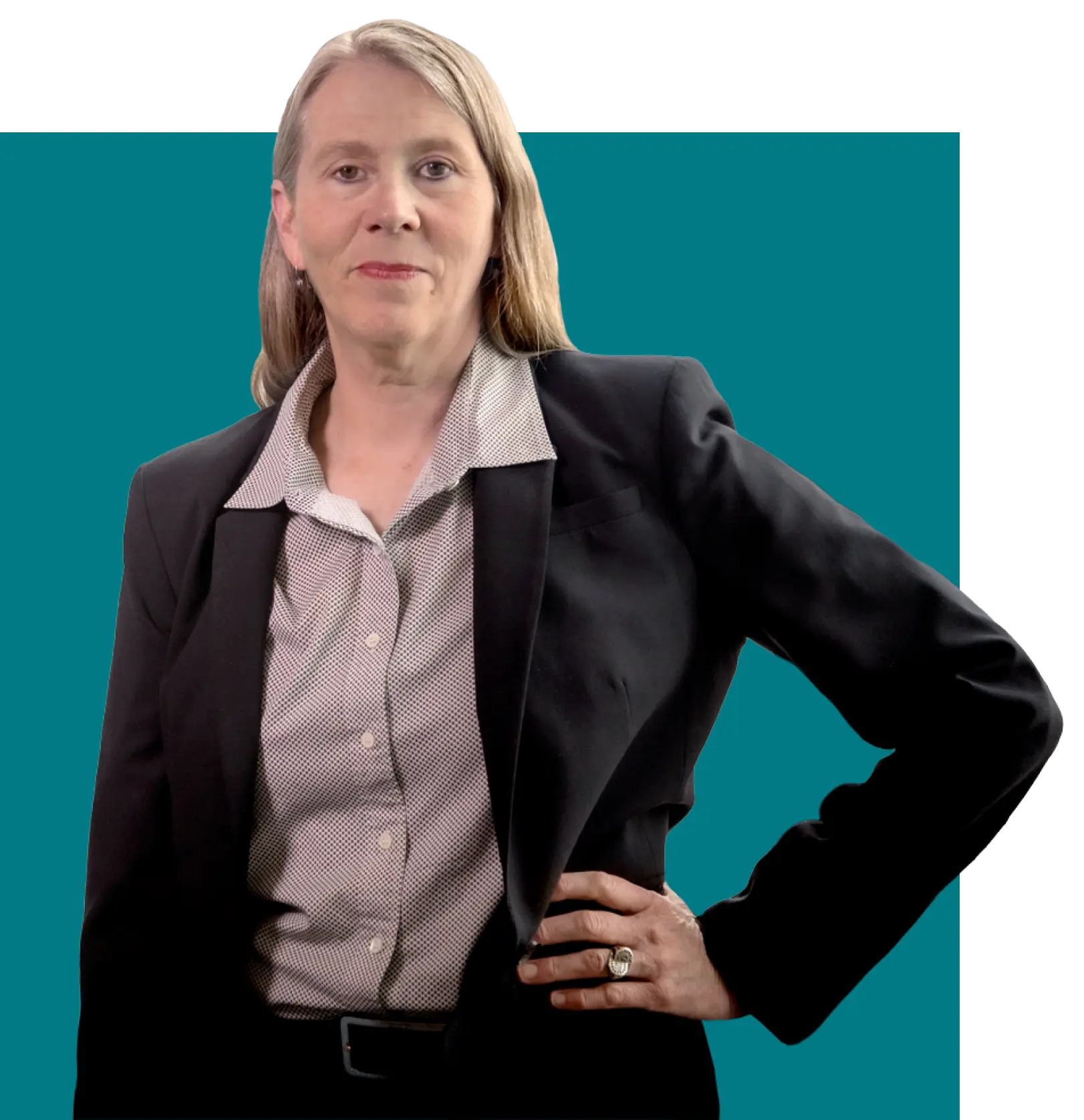
In a year of transition and unprecedented challenges in public health funding, Project ECHO remained steadfast in our mission—thanks to you. Together, we expanded access to health care, deepened our impact, and strengthened the global, trusted human networks that bring life-saving knowledge to the front lines. The ECHO community has proven that innovation, collaboration and a proven model for deep learning can overcome even the toughest barriers. I am deeply grateful for the opportunity to lead this organization. Your belief in our work fuels our momentum and inspires our vision.
With your continued commitment and support, we are not just responding to today’s challenges—we are shaping a healthier, more equitable tomorrow.”
— Dr. Karla Thornton, Executive Director, Project ECHO

Video
Africa: ‘Seeing Tomorrow’
Local Leaders: Leaning In
Nicolle Arthun, RN
Albuquerque, New Mexico
Nicolle Arthun, RN, co-director of the Improving Perinatal Health ECHO Program, is a practicing nurse-midwife from the Navajo Nation with nearly 20 years of experience. She is a maternal health policy advocate and founder of the Changing Woman Initiative – an organization focused on protecting cultural birth practices and advocating for reproductive health in Indigenous communities. Arthun also leads the Transcending Strategies consulting firm, helping tribes, nonprofits and health systems design culturally grounded programs, birth centers and rural clinics.
Challenge
Many communities have been traumatized by medical practices and mistreatment, causing people to avoid prenatal care.
Solution
Through the ECHO Model, community and health care practitioners work together to build culturally competent models of care that are self-determined and respectful.
Dr. Victoria Manzi
Lusaka, Zambia
Dr. Victoria Manzi is the pediatric HIV coordinator in the Ministry of Health for Lusaka Province, Zambia.
She is a medical doctor with eight years of experience, a mentor in pediatric tuberculosis and HIV, and an advocate for adolescent health.
Dr. Manzi also serves as a Project ECHO champion; in this capacity, she supported the province to launch a program on iECHO ensuring continued capacity building and skills transfer in Lusaka Province.
Challenge
As a result of too few specialized health care providers in local health facilities, some children living with HIV do not receive optimal management.
Solution
Through the ECHO Model, we share treatment guidelines with health care workers, thereby improving the quality of care provided to children living with HIV.
Dr. Ruchi Seth
Noida, India
With more than 35 years of experience in education and youth development, Dr. Ruchi Seth is the director-principal of Lotus Valley School.
As chairperson of the Sarv Sahodaya Group—a consortium of 18 schools from Delhi and the National Capital Region—Dr. Seth has spearheaded key initiatives in education and youth empowerment. She has also worked with the Central Board of Secondary Education, the National Council of Educational Research and Training, the World Wide Fund for Nature – India, and the State Council of Educational Research and Training. She was a core committee member for the Central Board of Secondary Education’s Mental Health Manual.
Challenge
Educators across India face the challenge of continuously updating their knowledge to meet evolving student needs, yet structured mentorship remains scarce.
Solution
Through Project ECHO, educators learn not only from experts but also from one another, creating a system where knowledge is shared and adapted to local contexts.
Dr. Kristin Sohl
Columbia, Missouri
Dr. Kristin Sohl is a distinguished pediatrician and professor of pediatrics at the University of Missouri. As the founder and executive director of ECHO Autism Communities, she spearheads efforts to improve access to high-quality screening, evaluation, and longitudinal support for individuals on the autism spectrum, particularly in underserved and rural populations.
Under her leadership, ECHO Autism Communities has established partnerships with more than 50 children’s hospitals and autism centers across the United States and 30 international locations, creating a vast network of professionals committed to enhancing autism and disability services and research.
Challenge
Autistic people in rural and underserved communities often lack equitable access to professionals who are equipped to meet their needs.
Solution
ECHO Autism programs support professionals across health care and education to learn autism best practices and build communities where people with all abilities can live their best lives.
We’re in This Together.
Meeting the Moment: Our Stories from Around the World
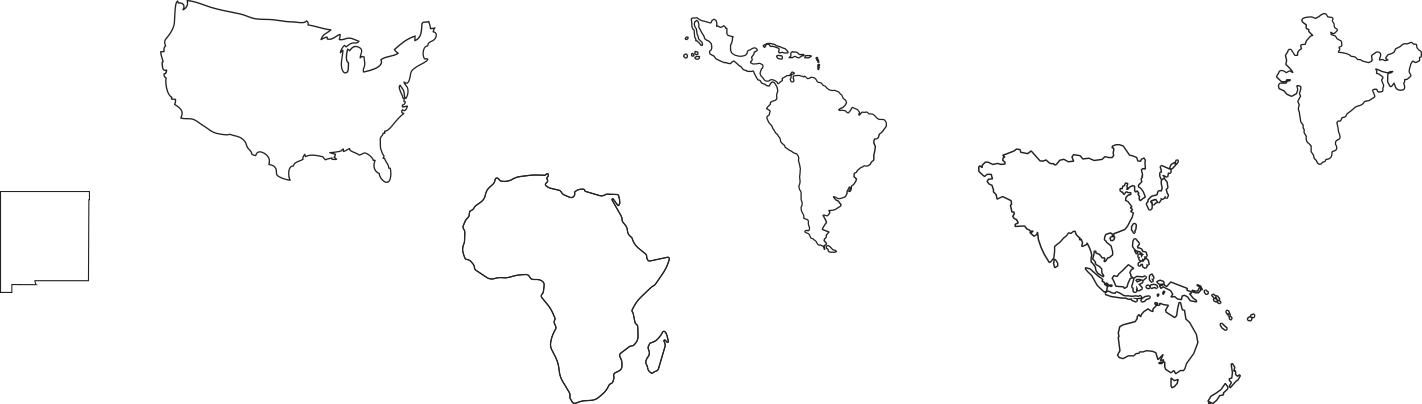
Global Leaders, Building Resilience

“This has been a year of unexpected change across the global health sector, yet ECHO partners have pivoted in the face of uncertainty and created community-focused solutions. Across Africa, for instance, ministries of health are using our low-cost, virtual framework to implement universal health care coverage, a complex process simplified through digital innovation. As we begin the new year, we are poised to grow the ECHO Movement, alongside our partners, and transform how health care is delivered around the world.”
Dr. Caroline Kisia
Africa Director, Project Echo
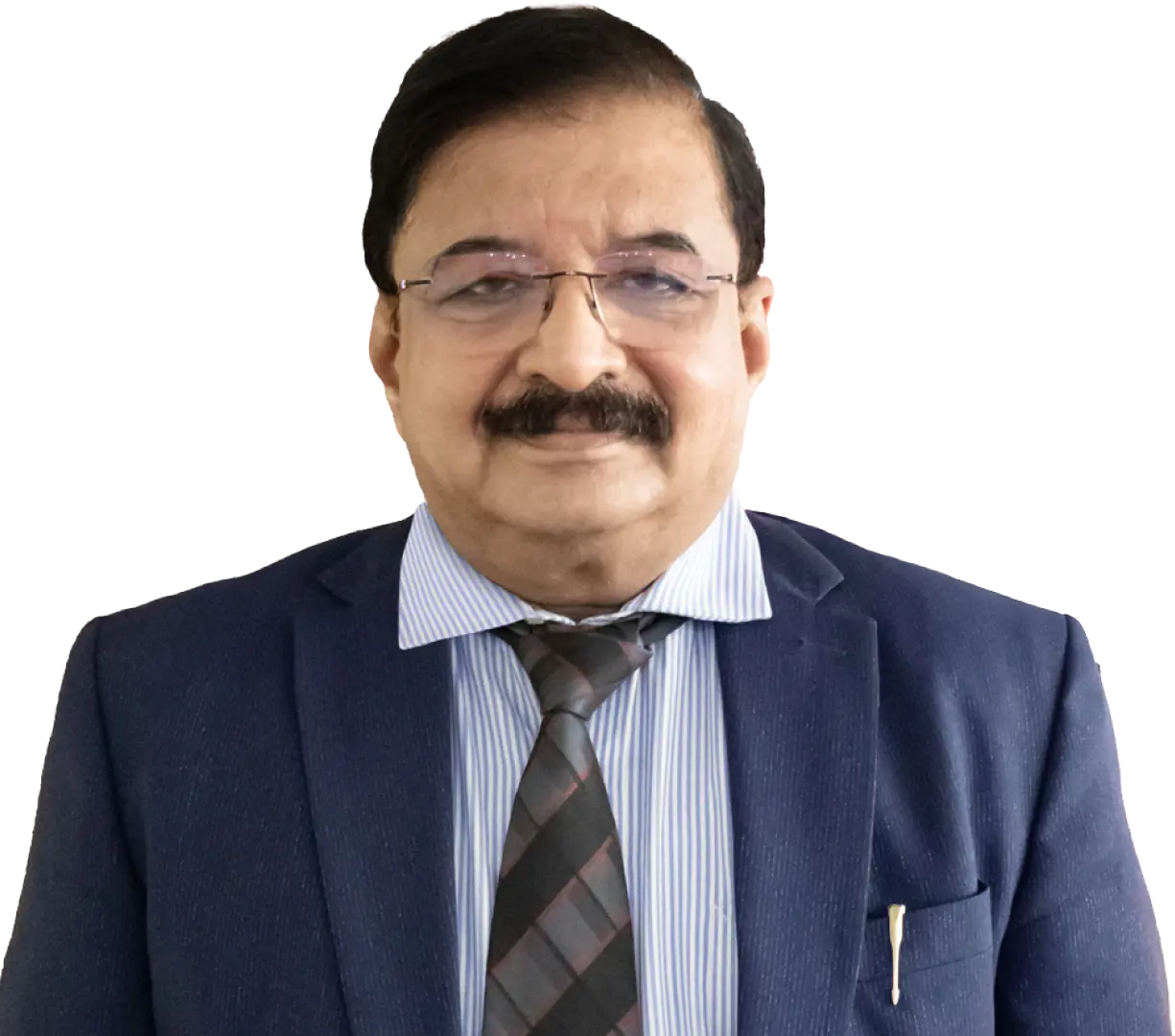
“ECHO continues to prove that the power of knowledge shared is stronger than the challenges we face. Even as resources shift and needs grow more complex, the model endures as a cost-effective way to strengthen systems and improve lives.”
Dr. (Col.) Kumud Rai
Chairperson and Managing Trustee, ECHO India
Voices That Echo
Hear from the people who benefit from Project ECHO. Your work matters.
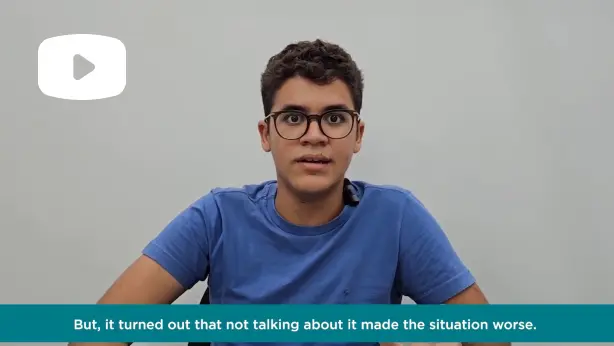
Arthur Vinícius
Diabetes Patient
0:43
Sergipe, Brazil
Twenty-year-old Arthur Vinícius first learned he had type 1 diabetes as a child. “Receiving a chronic diagnosis in childhood isn’t easy. Changing your lifestyle from an early age takes a lot out of you,” he says.
Today, Arthur is supported by a multi-professional team—many of them trained through Project ECHO at the Federal University of Sergipe—and has learned to adapt his diet, organize his insulin schedule, and identify signs of hypo- and hyperglycemia.
Currently studying medicine, Arthur hopes to become the kind of provider who supports others living with chronic conditions. “Living with a chronic illness always brings consequences. But it’s not the illness that defines me.”
Kim Landry
Educator
0:44
AlamOgordo, New Mexico
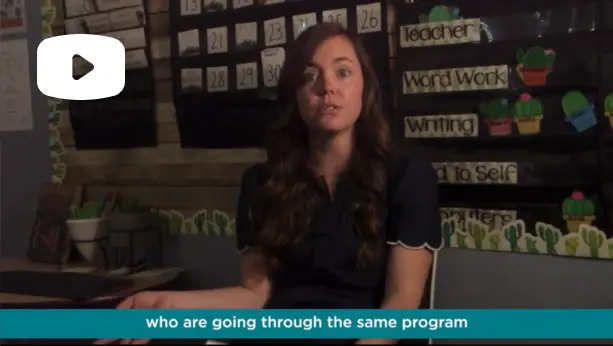
Kim Landry is a second-grade educator at Sunset Hills Elementary School with 12 years of experience in the classroom. After taking the state-required Language Essentials for Teachers of Reading and Spelling course, Landry needed help applying the science of reading in the classroom.
The Structured Literacy Classroom ECHO Program bridged the gap between learning and real-world application for Landry by providing her with a community of practice. “It has provided me [with] a space to collaborate with other teachers and discuss what struggles and achievements I’m having through the program. It has helped my students grow and prepare for third grade.”
When Landry joined the Structured Literacy Classroom ECHO, only 44% of her students were proficient in reading, writing, and spelling; now, 77% of her students have reached proficiency.
Favian Jabalera
Community Health Worker
0:43
Albuquerque, New Mexico
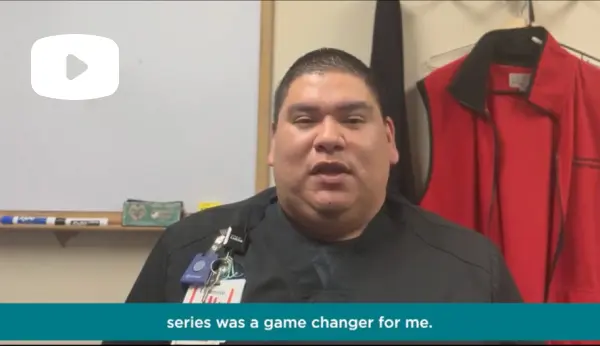
Community health worker Favian Jabalera is dedicated to supporting underserved and vulnerable patients.
A first-generation New Mexican, Favian was raised in Albuquerque, but his parents immigrated from Chihuahua, Mexico. He knows firsthand how patients struggle to receive care and navigate complex health care systems.
To better support his community, Favian joined the Maternal Child Health ECHO Program in 2025. He learned how to connect patients with resources and empower them with the tools they need to advocate for themselves.
Picture This
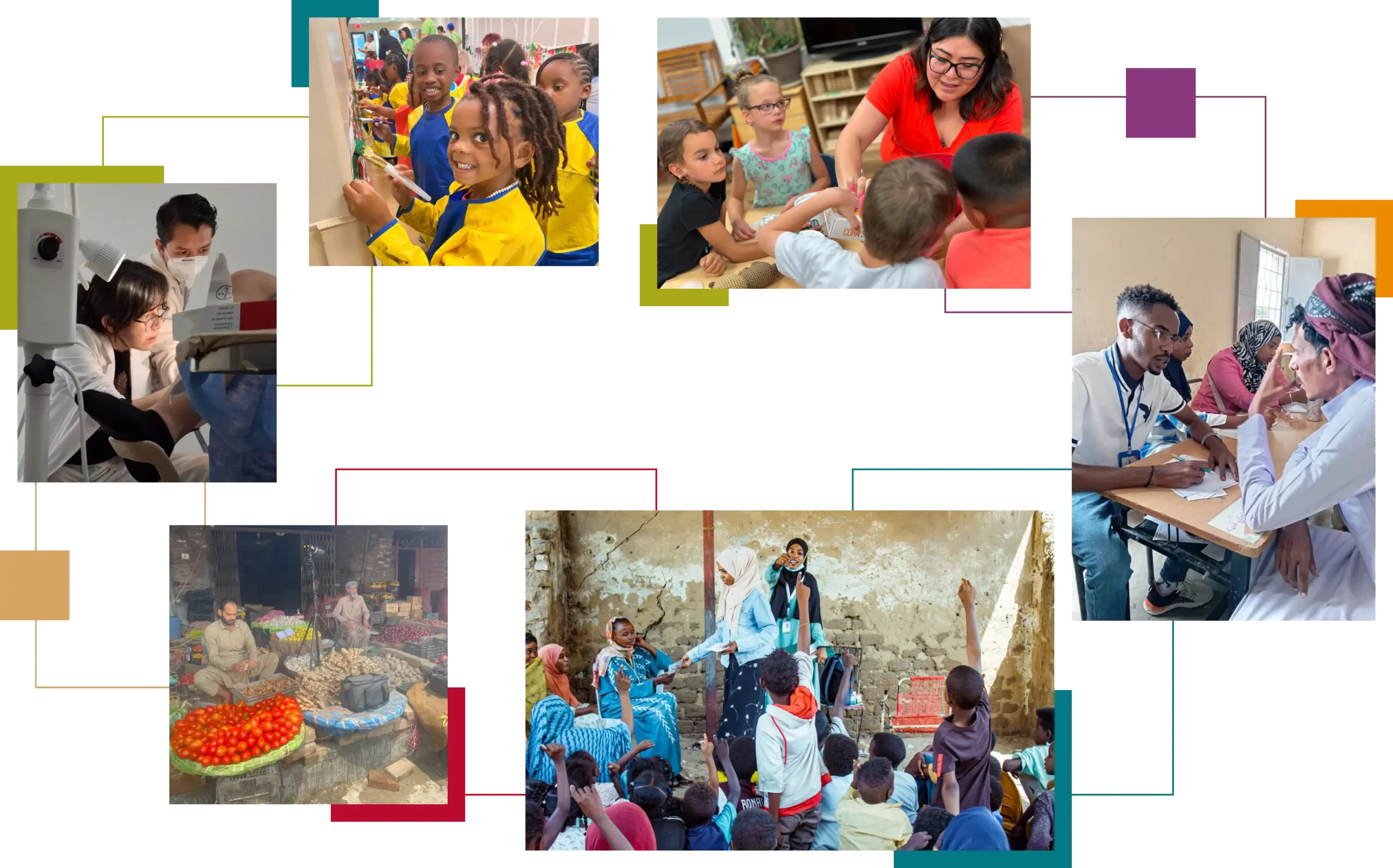
Some of the photos in this section are from the #MyECHOStory campaign.
We’d like to thank our partners for sharing their ECHO program photos.
Video
Funders: Fueling Impact
2025: ECHO By the Numbers

frontline professionals mentored in
countries and areas
116 million
patients benefited

 3,097 ECHO Programs
30,284 ECHO sessions

Your Support
Makes a Difference
Your contribution today fuels partners in underserved communities around the world. Thank you for joining the journey.
Add Impact to Your Inbox
Sign up to get email updates about our critical work here at Project ECHO.