For family nurse practitioner Flavio Salazar, providing care to patients in his hometown of Las Vegas, New Mexico, is personal. And for his patients, that means getting life-saving diabetes care in their own community.
Salazar works at El Centro Family Health, a federally qualified health center that receives federal funds to offer primary care services in underserved areas, where about 25% of his patients are living with diabetes, especially Type 2. The residents of Las Vegas are mostly Hispanic; many experience poverty and have low health literacy levels. Without Salazar, they would have to drive more than an hour each way to receive medical care from an endocrinologist in Santa Fe.
Salazar has been translating the knowledge and insights he gained through Project ECHO into healthier outcomes for his patients.
Salazar participates in Project ECHO’s Endocrinology program, where experts and learners rely on one another for continuous collaboration, problem solving and professional growth by leveraging technology and sharing best practices.

Helping Patients Stay on Track
An estimated 217,400 New Mexicans have diabetes or 13.1% of the adult population. Every year, at least 9,800 more are diagnosed with the disease, according to the American Diabetes Association. With expert advice on medication, nutrition, testing and more, ECHO’s endocrinology program gives Salazar the tools he needs to navigate this crisis in his community and to manage patients’ diabetes where they live.
“I used to prescribe medications based on cost, but learned that there are better options,” he says. “To keep patients on track, the team helped me jump through the hoops of Medicaid and Medicare to get patients approved for continuous glucose monitoring.”
That support pays off every day, now that Flavio can register for a continuous glucose monitoring app, and can do his own downloads.
Delivering Holistic Diabetes Care
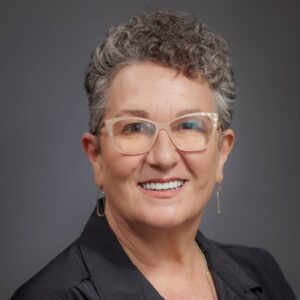
Gretchen Ray is an associate professor of pharmacy practice and administrative sciences at UNM and a participant in the weekly Endo ECHO since the program started in 2014. Putting medication and testing best practices in the hands of rural providers, such as Flavio Salazar, is key to addressing New Mexico’s diabetes crisis, she says.
“The Endo ECHO team gives recommendations for the most effective medication options and also considers the specifics within each case to help providers ensure their patients can get those medications – which can be expensive,” she says. “This group has really helped by sharing our experiences to determine what patients will qualify for testing technology or would benefit the most, and making sure those patients are able to obtain that technology.”
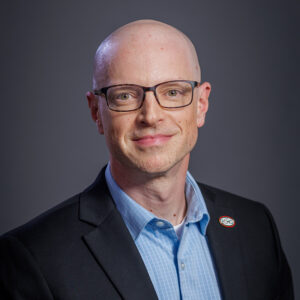
Nutrition plays a big role, too. According to Diana Gonzales-Pacheco, a registered dietitian, UNM assistant professor and Endo ECHO team member, building provider capacity and providing access to nutrition education is an often-overlooked piece of the solution.
“Giving patients access to nutrition services, including medical nutrition therapy, from a professional is critical,” Gonzales-Pacheco says. “For many small communities in New Mexico, accessing more nutritious, less-processed food options is a challenge.”
With the support of Project ECHO, Salazar has been able to identify his patients’ needs and provide treatment that’s accessible and effective.
“The more people that can participate in Endo ECHO, especially in a community that has a huge problem with diabetes and related conditions, just makes the overall health picture of this community a lot better,” he says.
*Flavio Salazar authored an op-ed in the Albuquerque Journal. Read more about Project ECHO’s diabetes work or email the program team for more information.
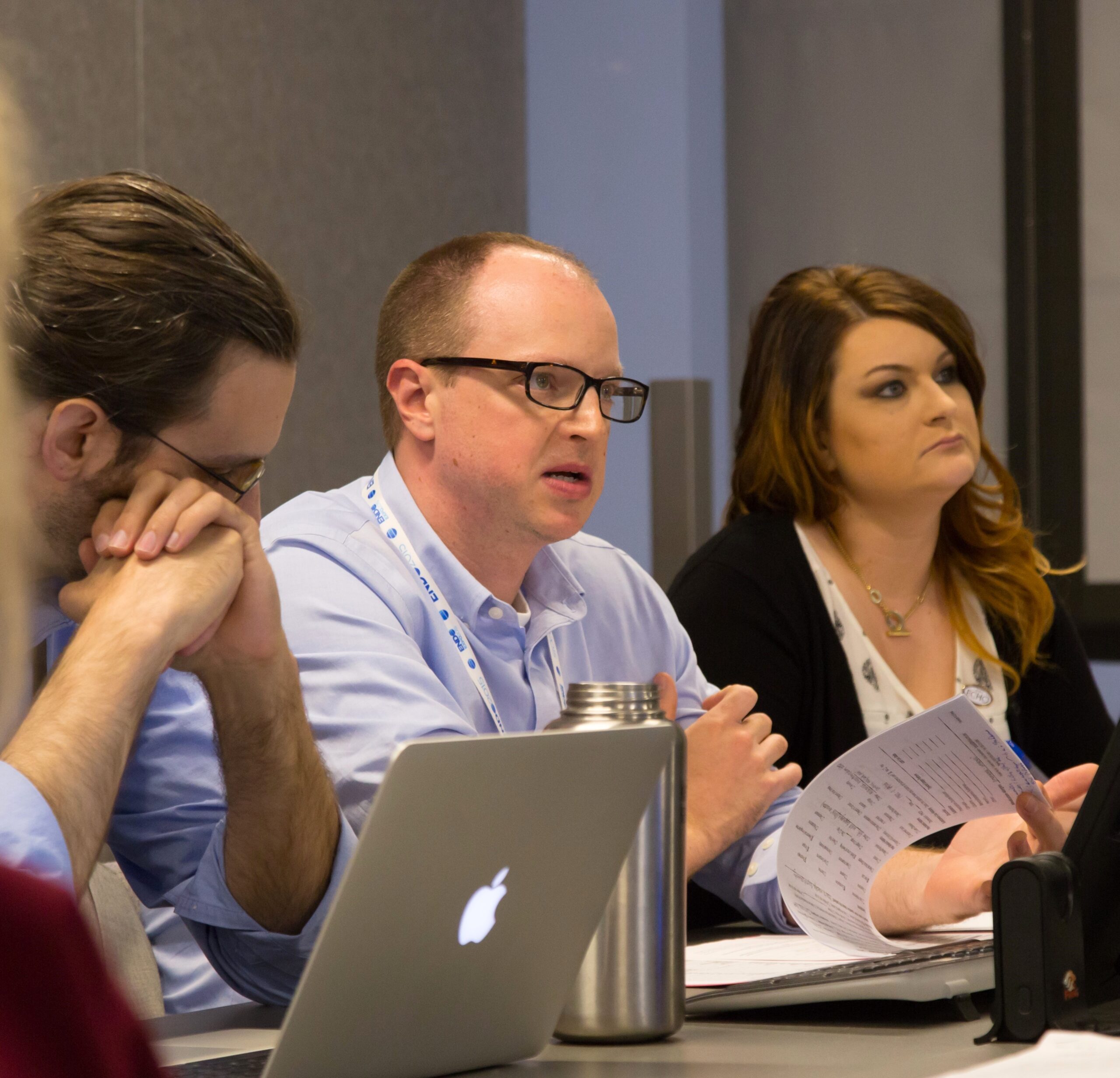
Featured Image: Dr. Matthew Bouchonville, medical director of the Endocrinology ECHO Program, leads a session with New Mexican providers. Credit: Project ECHO, 2014.
*Originally published in December 2022, this story was updated in December 2025 to include updated statistics and a testimonial from Jessika Junick.