

Project ECHO’s New Mexico Safe Care program is working to make sure children who have experienced sexual and physical abuse are not falling through the cracks.
Jane* is one of those children who might have been overlooked if it weren’t for the New Mexico Safe Care ECHO program. Following allegations of abuse and concerns about her home life, the New Mexico Safe Care team connected Jane with experts who ensured she received the necessary medical evaluations and created a plan for her care and long-term safety.
The New Mexico Safe Care program helps clinicians treat children who have, or may have, experienced physical and/or sexual abuse by bringing medical, law enforcement and social worker experts together to provide those children with holistic care – a unique, multidisciplinary team that leverages diverse skill sets to benefit New Mexico’s children.
Bridging the Gap in Rural Health Care Access
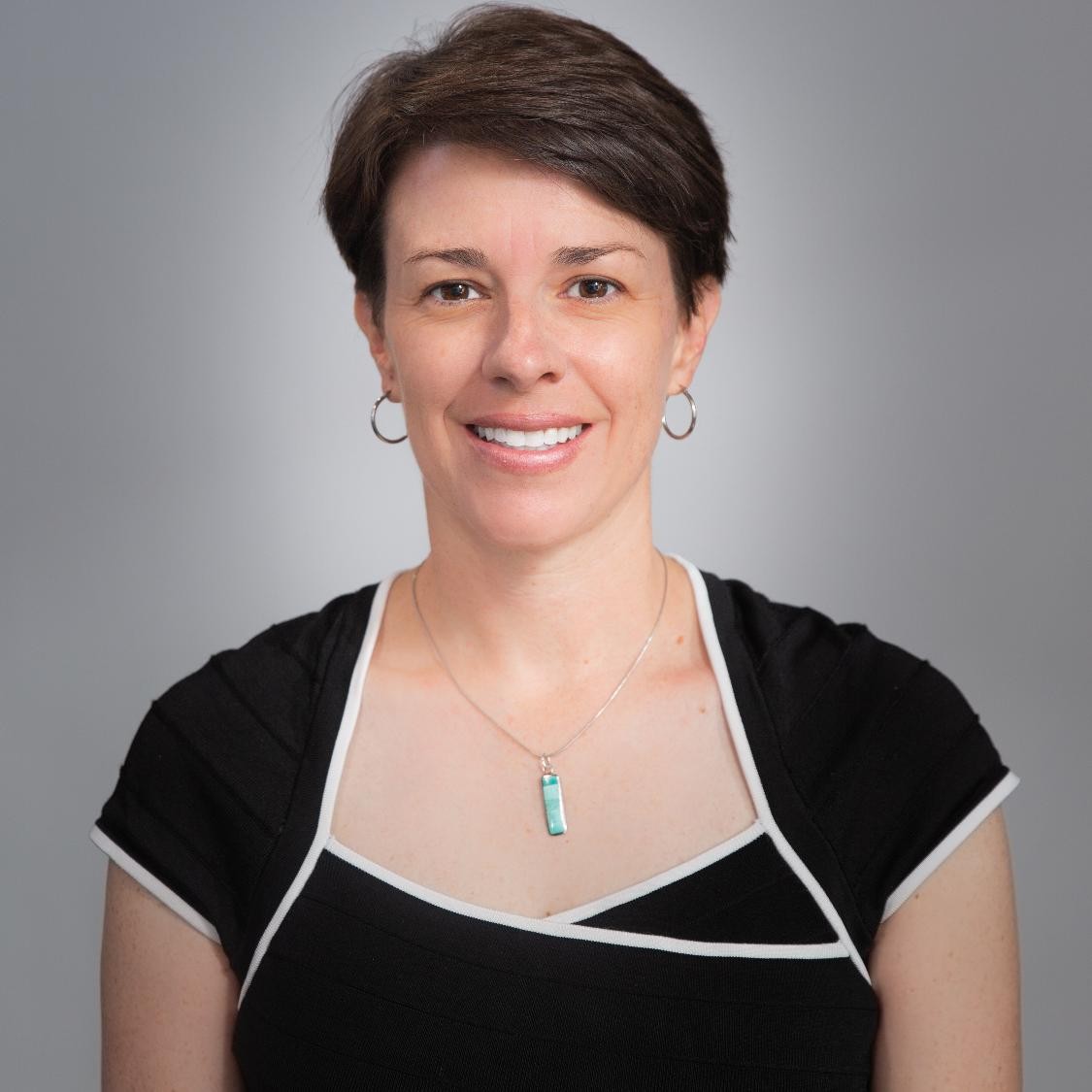
Safe Care New Mexico Director Leslie Strickler, DO, FAAP, January 2026.
Without the Safe Care team in place, Jane’s specialized medical and mental health needs would have likely gone unaddressed in her rural hometown in northern New Mexico.
“The people involved in her case were able to do their jobs better and they had peace of mind knowing the child was safe,” says Leslie Strickler, DO, FAAP, the Safe Care New Mexico program director and a pediatrician with highly-specialized training in cases of child abuse.
Getting specialized care to children who have experienced physical and sexual abuse can be a real problem, especially in rural states such as New Mexico.
Strickler explained that children who live in rural or outskirt areas – such as Grants, Taos and Roswell – often don’t have access to the services that are available in Albuquerque. Rural providers might not have the expertise, time or resources to offer tailored treatments and conduct necessary tests. Plus, it can be foreign and intimidating for doctors to work with Child Protective Services and law enforcement.
Empowering Professionals Through Collaboration
The New Mexico Safe Care program is bridging that gap. Strickler and other experts are able to share their knowledge to expand resources and treatment for children in New Mexico. The program fosters collaboration with a wide range of professionals who are working with child abuse and neglect cases from around the state and country.
“[Project ECHO] is a safe and confidential place to learn, ask questions and openly talk about those tough cases,” says Pamela Romero, a Child Protective Services investigations supervisor with Santa Fe County. “It also provides a support system to discuss situations that are difficult.”
Strickler wants to see the impact of New Mexico Safe Care reach every county in the state. With increased support, she could make that a reality, helping more children like Jane.
Launched in 2020, the program has more than 200 participants, and 66 learning hours have been shared to support the professionals who provide children with holistic care. Participants reported significant increases in knowledge to identify children with adverse childhood experiences and increases in confidence to support children who may be at high risk. Participants also reported feeling more hopeful that they could help youth with adverse childhood experiences.
Project ECHO is committed to expanding access to specialized care for vulnerable populations. The ECHO Model can be used to provide education to school-based health clinicians so that they can better identify and support youth with adverse childhood experiences, according to a March 2025 study published in Healthcare.
Become an ECHO partner today, and play a vital role in extending these essential services to every corner of New Mexico.
*Jane is a fictional name to protect the identity of the patient.
Originally published in July 2021, this story was re-published in January 2026 to add credit to the expert reviewer and update the data.